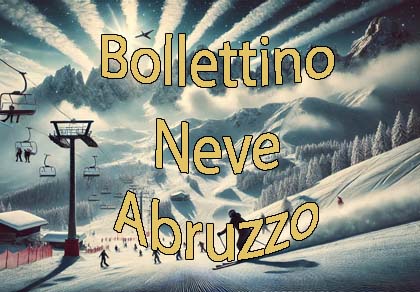
Skiing in Abruzzo – snow report
The most popular ski resorts, the updated snow report and useful information on how to find lifts or book accommodation for your winter holiday

The Fountain of the 99 Spouts is one of L’Aquila’s most iconic landmarks. Located in the historic Rivera district, it symbolizes the 99 castles that contributed to the city’s foundation. Its 93 sculpted masks and 6 simple spouts create a unique and mysterious atmosphere deeply tied to local tradition.
The most popular ski resorts, the updated snow report and useful information on how to find lifts or book accommodation for your winter holiday

View the webcams in Abruzzo and check real‑time weather conditions. Some webcams belong to www.abruzzoparchi.it, others are located throughout the region

Weather forecasts for the coming days in Abruzzo. Live weather via our webcams and temperatures recorded in several mountain areas
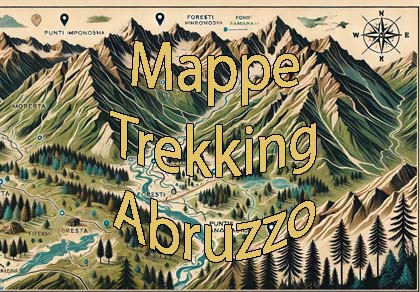
Maps for trekking, mountain biking, ski touring, running and horse riding. You can also download the GPX track of each route
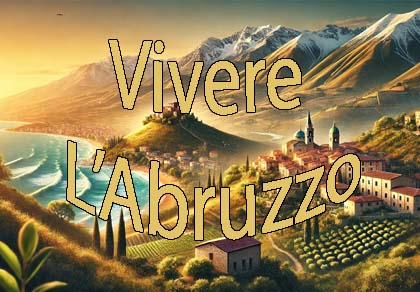
Abruzzo’s villages are famous for their fortresses, mountains and the traditional trabocchi along the southern coast
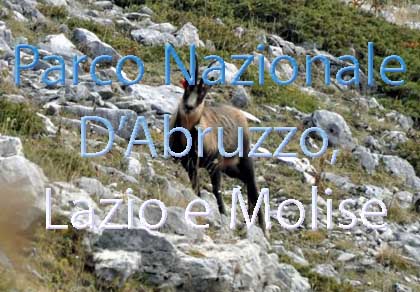
One of Italy’s most famous and oldest national parks
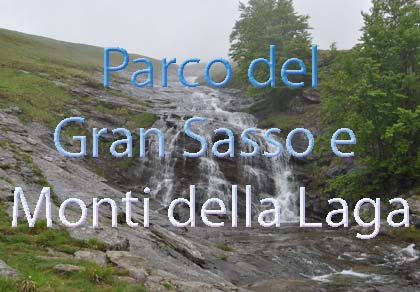
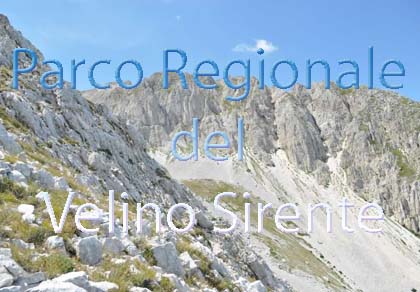
Located in the heart of the Apennines, home to the beautiful villages of the Rocche Plateau
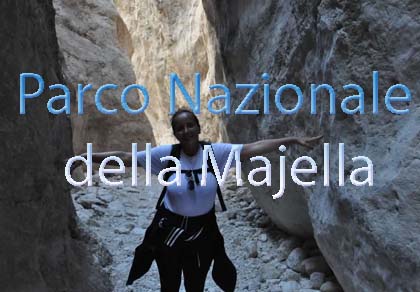
One of the snowiest places in Italy, a unique mountain massif rising close to the sea

Choose between sea or mountains, summer or winter, a sporty holiday or a relaxing one — Abruzzo has it all

Abruzzo is famous for its cuisine, both mountain and coastal, with traditions that vary from area to area
Walks, diving, climbing, mountain biking, horse riding — all outdoor activities available in Abruzzo
Rocca di Mezzo, Rocca di Cambio, Rovere, Terranera, Ovindoli
The Medieval Villages of the Gran Sasso, with their castles, towers, and ancient settlements that once dominated Abruzzo
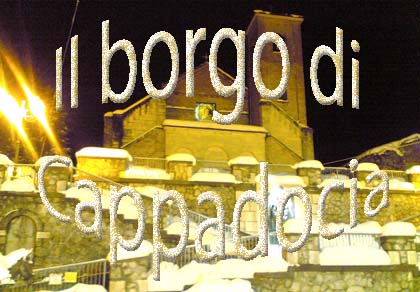
The village of Cappadocia, in the western part of the Aquilan Abruzzo
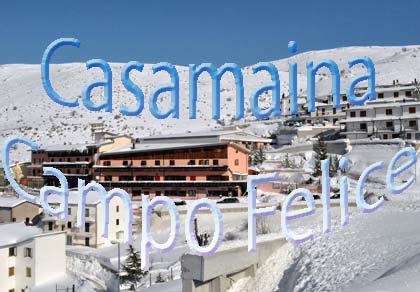
The village of Casamaina, a favourite among skiers heading to Campo Felice or Ovindoli
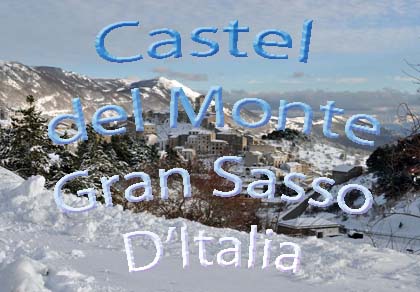
The village of Castel del Monte, the highest settlement in the Gran Sasso area
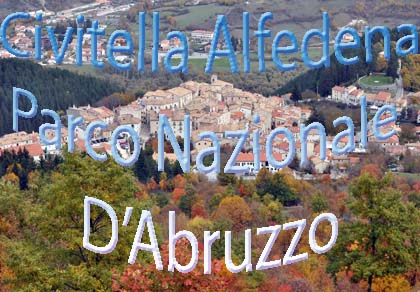
The village of Civitella Alfedena, in the Abruzzo, Lazio and Molise National Park
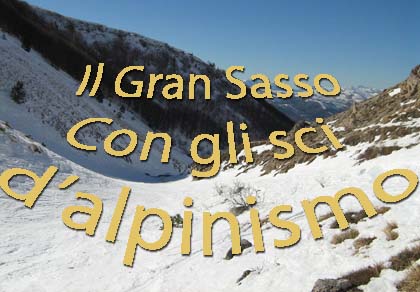
Mountaineering on the Gran Sasso, the ideal place for freeride lovers seeking demanding routes
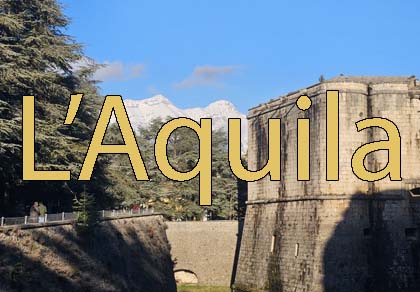
The city of L'Aquila, with its restored Renaissance palaces, a place rich in culture
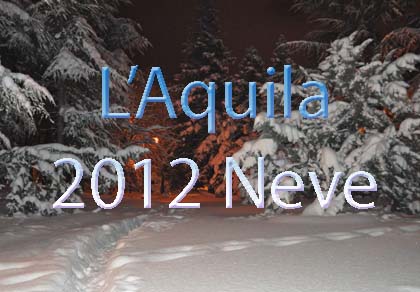
The 2012 snowfall in L'Aquila brought over one metre of snow in 24 hours — unbelievable images
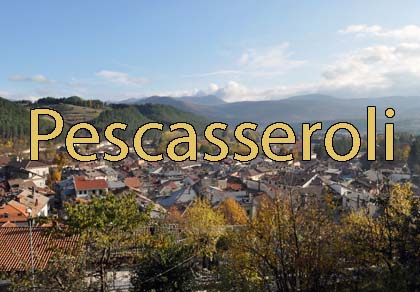
The village of Pescasseroli, heart of the Abruzzo, Lazio and Molise National Park
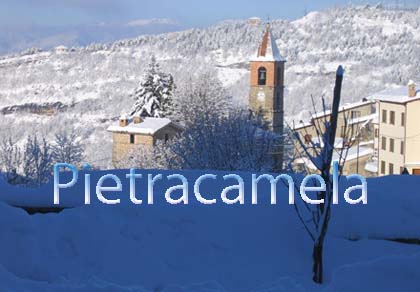
The village of Pietracamela, on the north-eastern side of the Gran Sasso, at the foot of Corno Piccolo — a magical and unexpected place
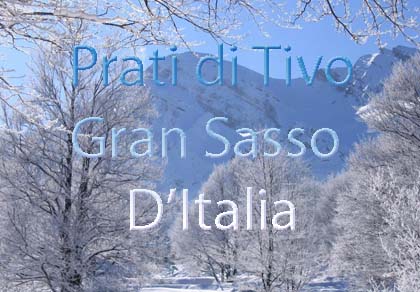
Prati di Tivo, a winter ski resort offering breathtaking views to all who visit
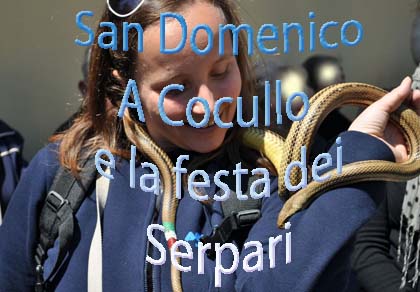
San Domenico and the Serpari ritual, held every first Thursday of May
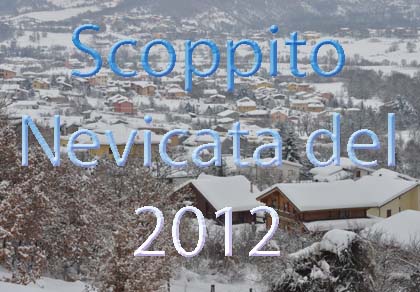
The 2012 snowfall in Scoppito reached nearly two metres in height
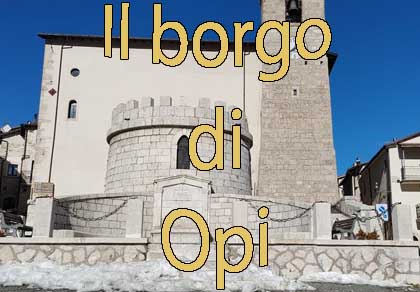
The village of Opi, a splendid settlement in the Abruzzo, Lazio and Molise National Park
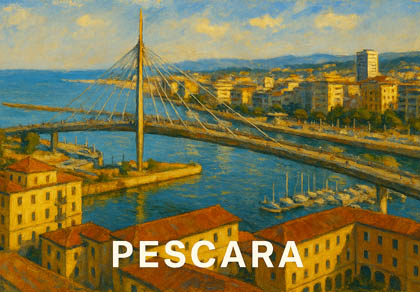
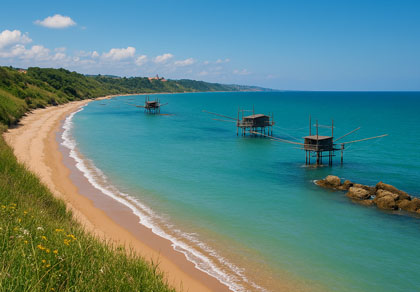
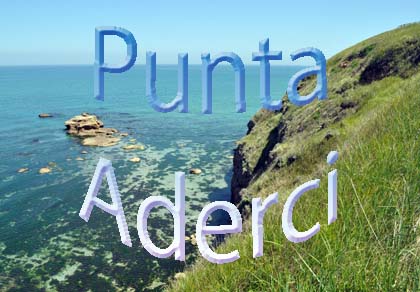
Punta Aderci, with the Abruzzese trabocchi stretching from Vasto through Fossacesia to San Vito Chietino
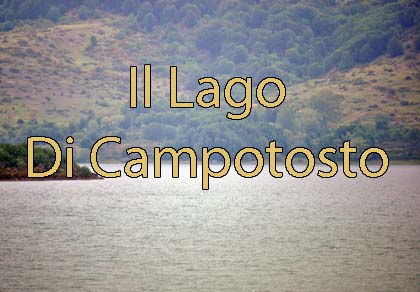
Lake Campotosto, nestled between the Gran Sasso and Monti della Laga ranges, within the national park of the same name
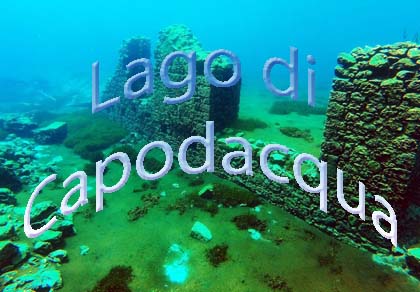
The Capodacqua reservoir, with submerged mills and crystal-clear waters, a paradise for divers
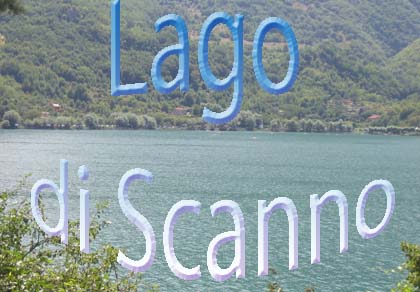
The swimming lake of Scanno, named after the village overlooking it — a place worth visiting
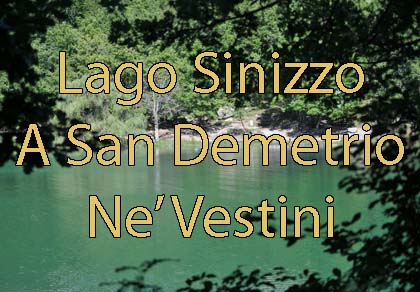
Lake Sinizzo, just a few kilometres from San Demetrio, is the ideal place for nature lovers seeking fresh, clear waters
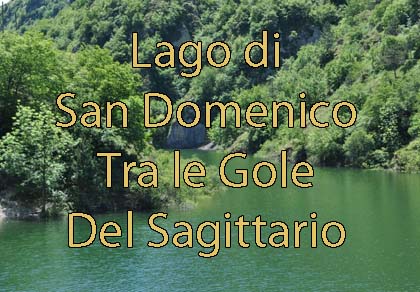
Lake San Domenico, named after the nearby hermitage; its crystal-clear waters make it unique. Swimming not allowed
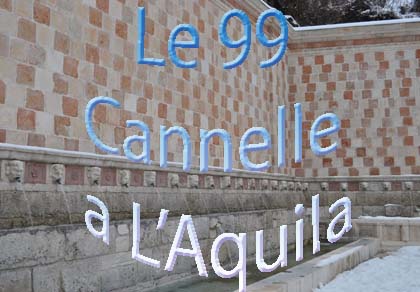
The Fountain of the 99 Spouts, a symbol of the city of L'Aquila
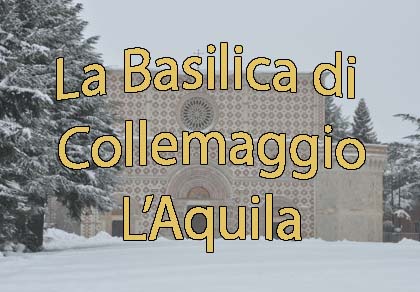
The Basilica of Santa Maria di Collemaggio, resting place of Pope Celestine V, the only pope buried outside Rome’s walls
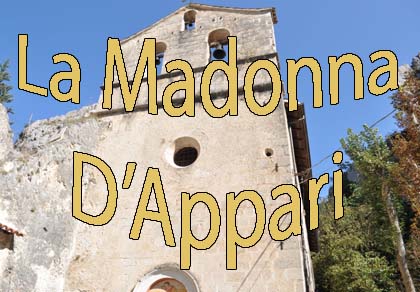
The Sanctuary of Madonna d'Appari, set among the rocks along the road between Paganica and Assergi
The Church of San Panfilo, in the municipality of Tornimparte, with its frescoes — a place worth visiting
The Stiffe Caves, inside the Velino-Sirente Regional Park — a magical place to explore
One of L’Aquila’s absolute icons: medieval history, civic symbols, and an atmosphere suspended in time.
Open to visitors all year round; area restored after the 2009 earthquake.
A fountain that tells the story of the city’s birth and collective identity.
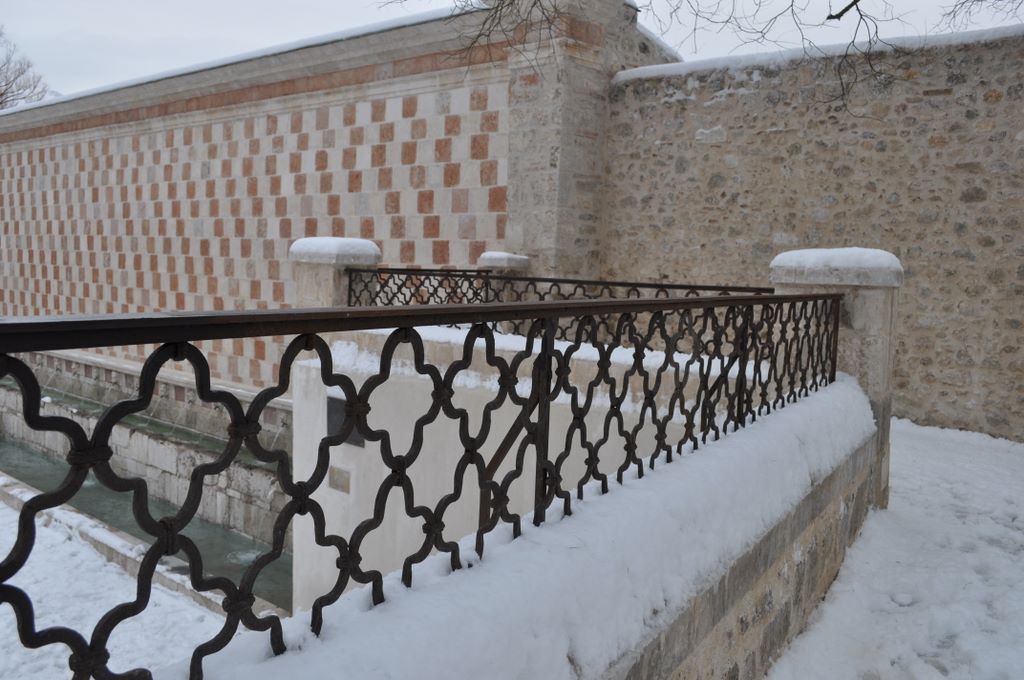
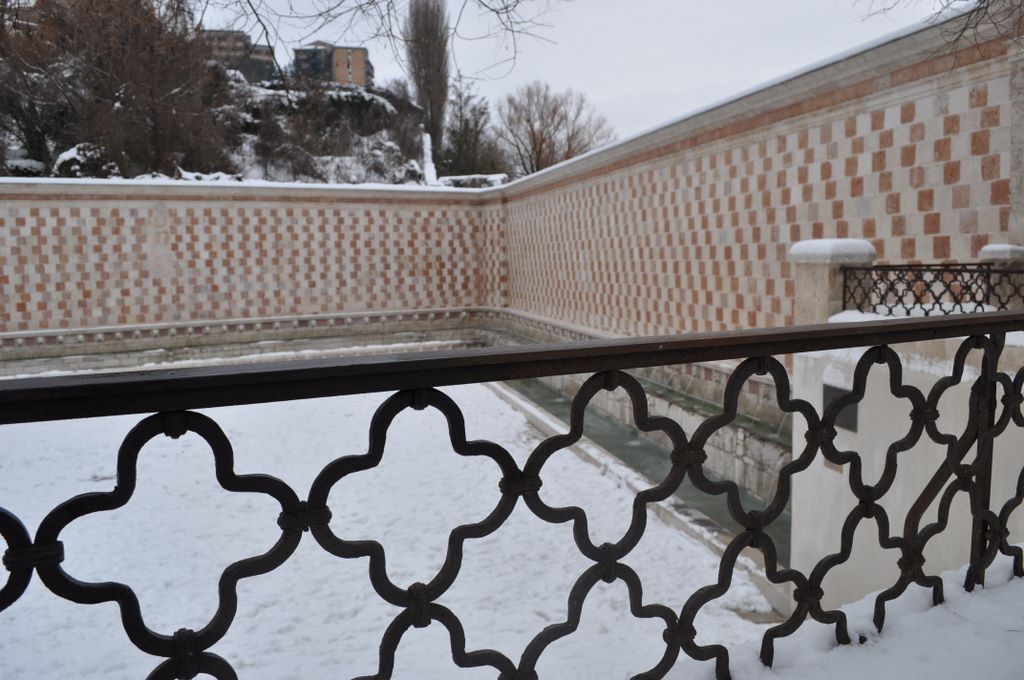
Located in the historic district of Borgo Rivera, the Fountain of the 99 Spouts is one of the most recognisable monuments in L’Aquila. Tradition says it represents the 99 castles that contributed to the city’s foundation in the 13th century.
A monument that blends tradition and medieval architecture.
Each spout is said to represent one of the founding castles of L’Aquila. Even if the number is not historically precise, the symbol of “99” has become part of the city’s identity.
After the 2009 earthquake, the fountain was reinforced and the entire area redeveloped.
A short stop, rich in details.
Easily accessible on foot or by car.
From the historic centre, walk downhill toward Borgo Rivera following the signs. Simple route.
You can drive close to the area, but it’s best to park nearby and continue on foot.
Useful details for a smooth stop.
Short visit (20–40 min). Perfect with:
Traditions, mysteries and memories tied to one of L’Aquila’s most beloved symbols.
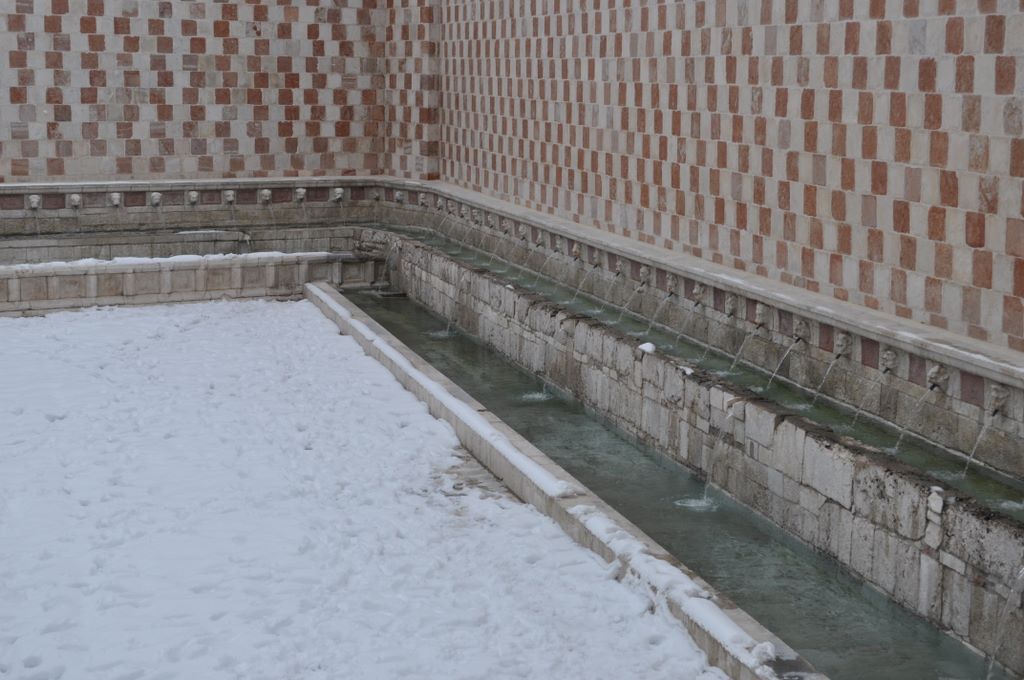
99 is L’Aquila’s number. According to tradition, the city has 99 squares, 99 churches, 99 fountains and, of course, 99 spouts. The Fontana delle 99 Cannelle is one of the most important and fascinating monuments in the city. It stands in the Rivera district, one of the oldest areas of the historic centre, and is made up of 93 carved masks and 6 simple spouts from which the water flows.
Tradition says that the fountain was built — or at least begun — in 1272 to commemorate the founding of L’Aquila, symbolically uniting the 99 castles that contributed to the birth of the city. Each castle was meant to create a square, a church and a fountain representing its place of origin. Hence the idea that each one had “its own spout”.
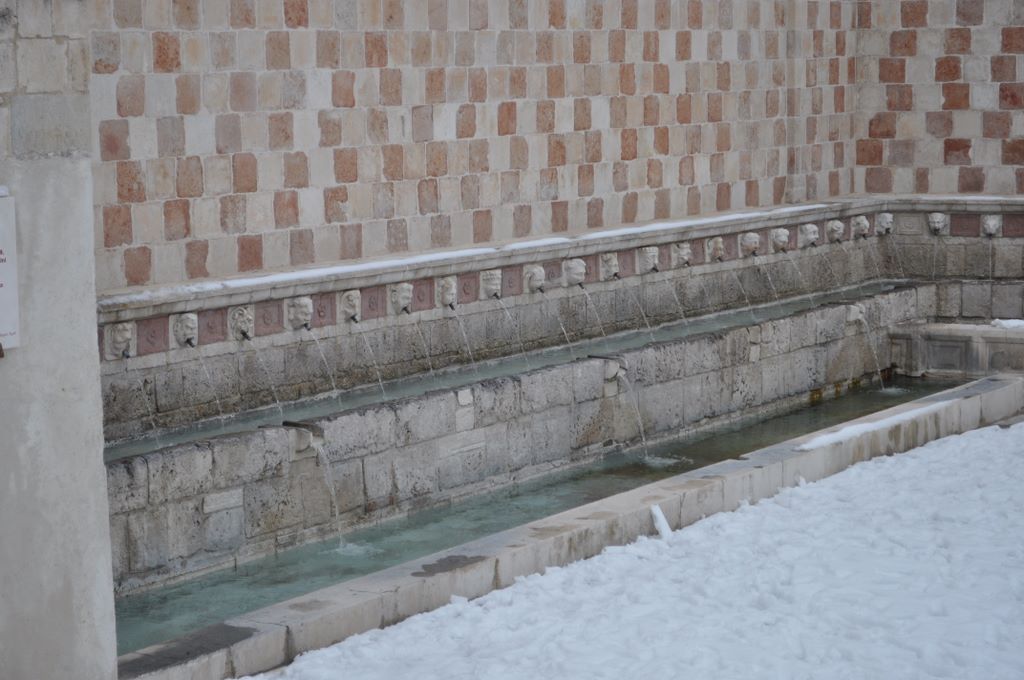
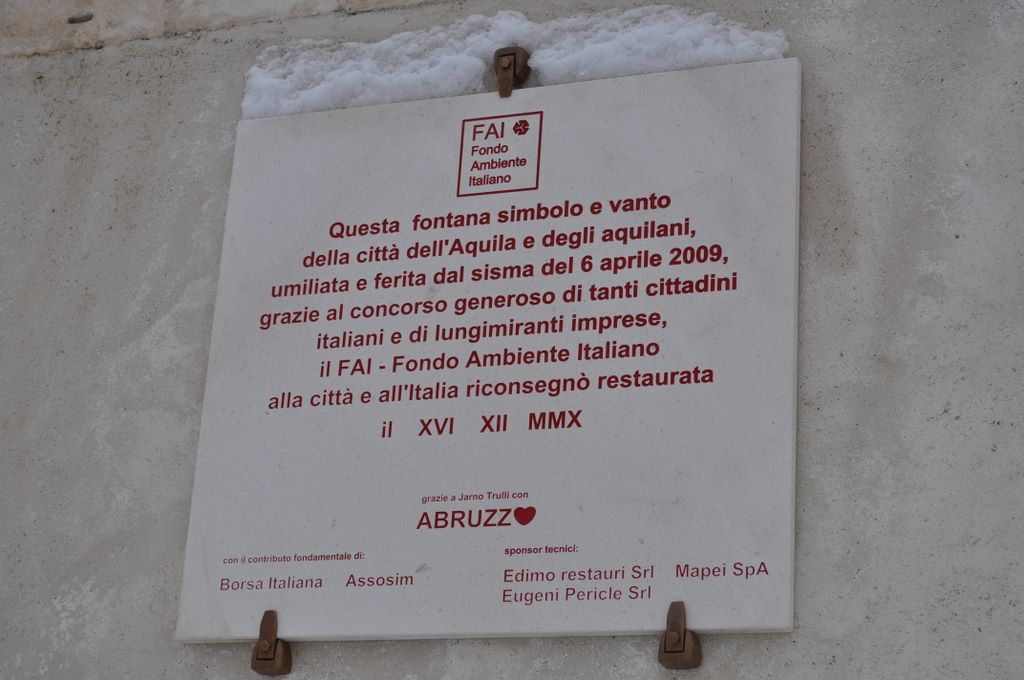
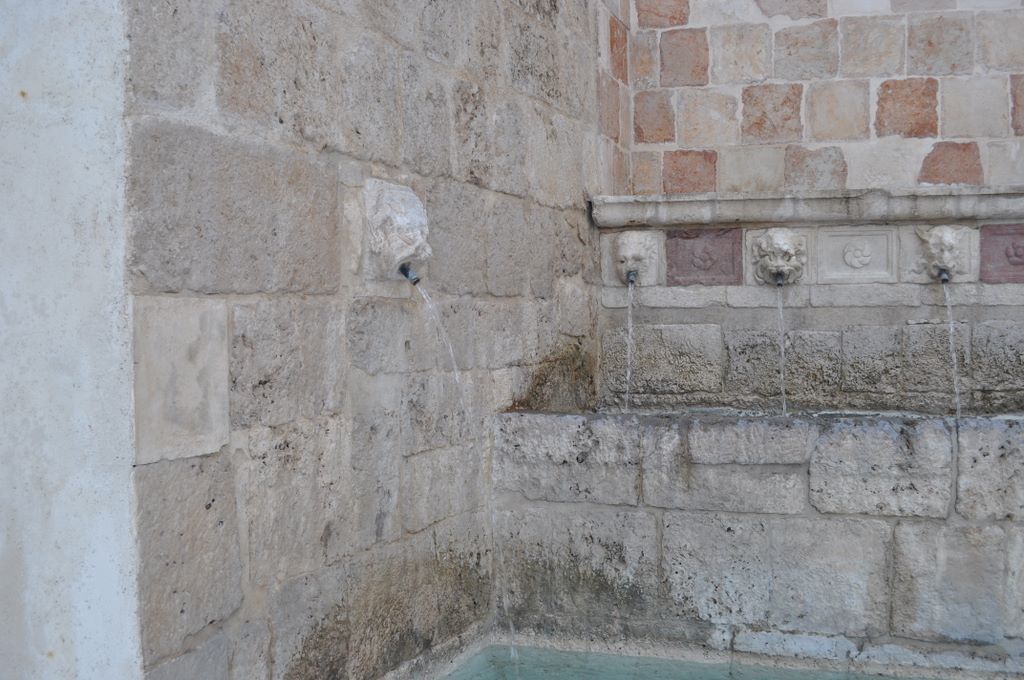
Many stories surround its construction: some say the spouts were originally only 63, others claim that the white and pink stone was added later, and still others believe the paving is not original. What is certain is that it is a work of great craftsmanship, where every mask has a different face and a unique expression.
But the true charm of the fountain lies beyond its artistic value: no one has ever definitively established where the water comes from. Some speak of a spring beneath Piazza Duomo, but there is no conclusive proof.
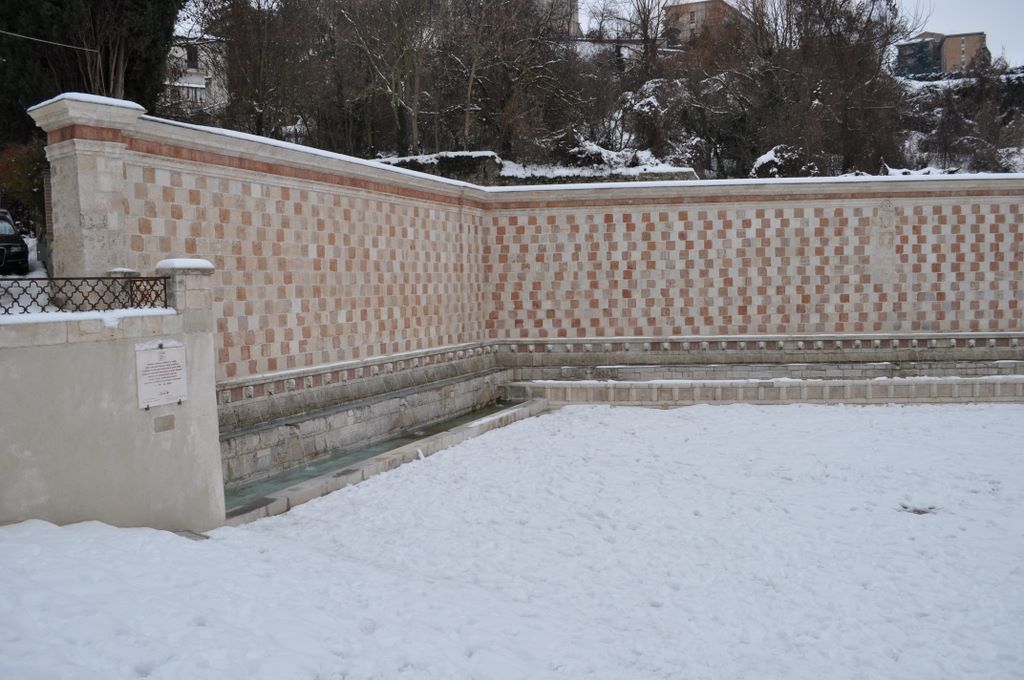
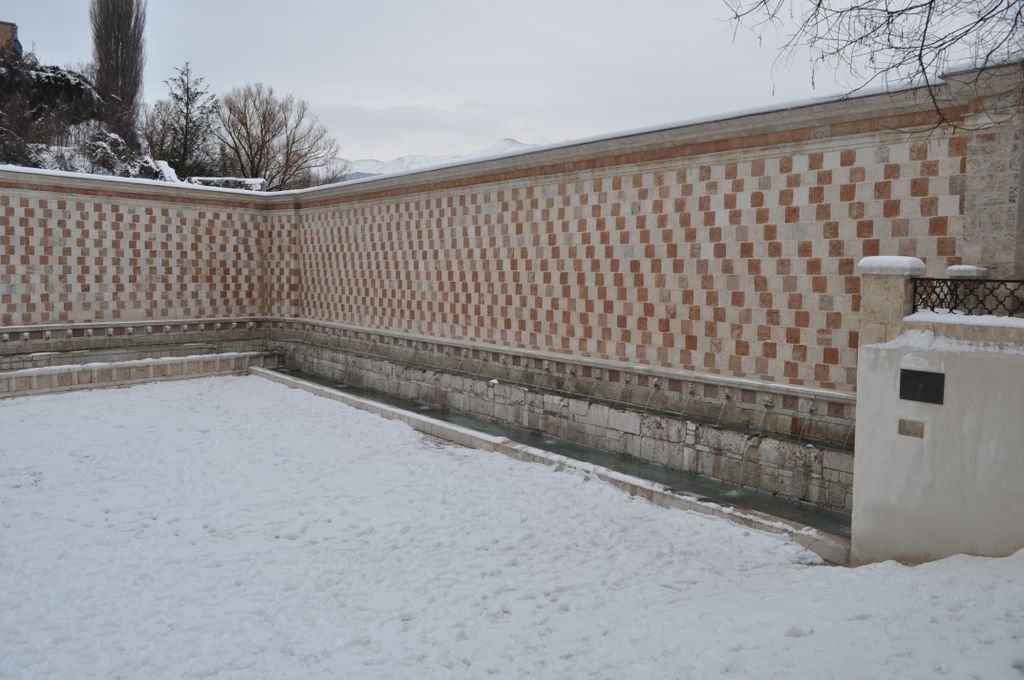
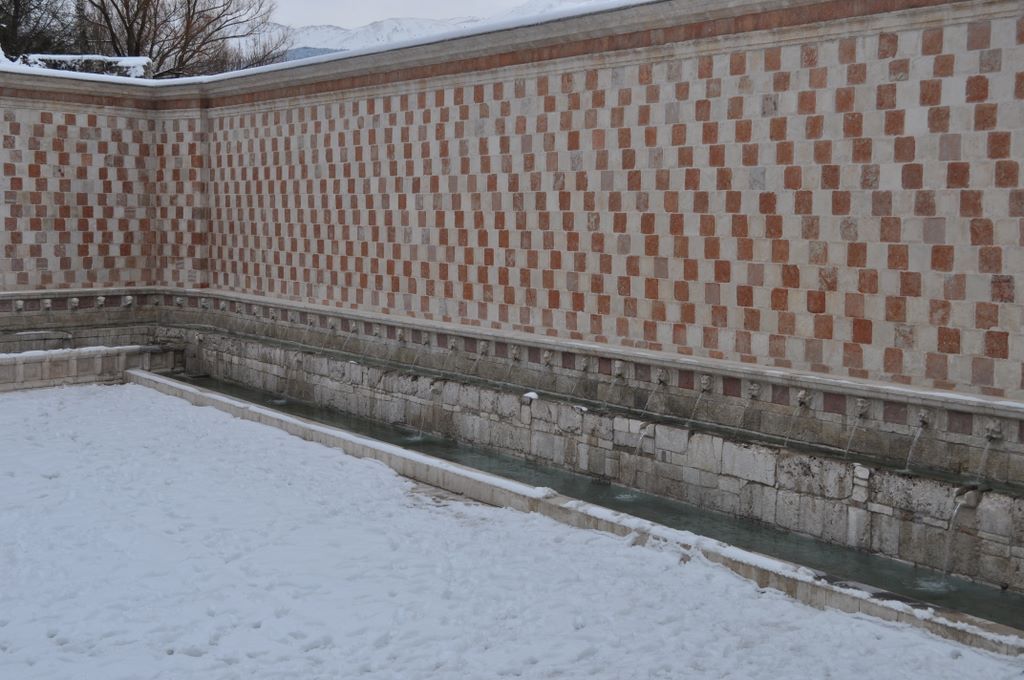
Ever since I was a child, I visited the fountain often and always tried to count the spouts. I don’t remember the number ever being exactly 99: sometimes a few more, sometimes a few less. Perhaps it was just my poor counting skills, but this little mystery only deepened the fascination the place held for me.
The atmosphere here feels suspended, almost magical — as if time had slowed down. You half expect a lady in a carriage to appear at any moment. It truly is an unforgettable place. And if you ever go… count the spouts and tell me how many you find!
The most popular ski resorts, the updated snow report and useful information on how to find lifts or book accommodation for your winter holiday
Vai
View the webcams in Abruzzo and check real‑time weather conditions. Some webcams belong to www.abruzzoparchi.it, others are located throughout the region
Vai
Weather forecasts for the coming days in Abruzzo. Live weather via our webcams and temperatures recorded in several mountain areas
Vai
Maps for trekking, mountain biking, ski touring, running and horse riding. You can also download the GPX track of each route
Vai
Walks, diving, climbing, mountain biking, horse riding — all outdoor activities available in Abruzzo
Vai
Choose between sea or mountains, summer or winter, a sporty holiday or a relaxing one — Abruzzo has it all
Vai
Abruzzo is famous for its cuisine, both mountain and coastal, with traditions that vary from area to area
Vai
Abruzzo’s villages are famous for their fortresses, mountains and the traditional trabocchi along the southern coast
Vai
One of Italy’s most famous and oldest national parks
Vai
One of Italy’s wildest parks, with typical Apennine landscapes and Dolomite‑like peaks
Vai
Located in the heart of the Apennines, home to the beautiful villages of the Rocche Plateau
Vai
One of the snowiest places in Italy, a unique mountain massif rising close to the sea
Vai