Skiing in Abruzzo – snow report
The most popular ski resorts, the updated snow report and useful information on how to find lifts or book accommodation for your winter holiday


On the hills between Vasto and the river Trigno, in Cupello, artichokes have replaced wheat since the post-war years: today they are the symbol of the village, which holds a festival for them every spring. Here is where it comes from, how it is grown and how it is cooked.
The most popular ski resorts, the updated snow report and useful information on how to find lifts or book accommodation for your winter holiday

View the webcams in Abruzzo and check real‑time weather conditions. Some webcams belong to www.abruzzoparchi.it, others are located throughout the region
Weather forecasts for the coming days in Abruzzo. Live weather via our webcams and temperatures recorded in several mountain areas
Maps for trekking, mountain biking, ski touring, running and horse riding. You can also download the GPX track of each route
Abruzzo’s villages are famous for their fortresses, mountains and the traditional trabocchi along the southern coast

One of Italy’s most famous and oldest national parks
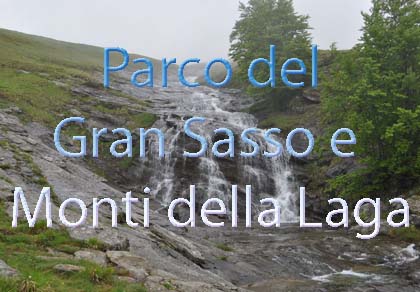
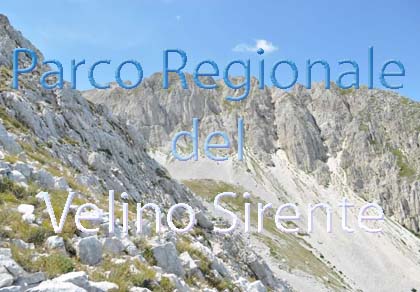
Located in the heart of the Apennines, home to the beautiful villages of the Rocche Plateau
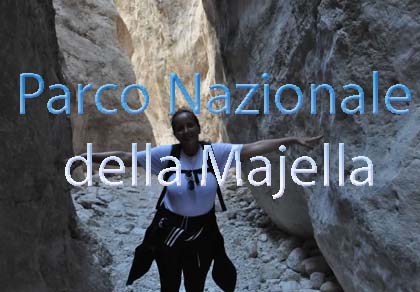
One of the snowiest places in Italy, a unique mountain massif rising close to the sea
Choose between sea or mountains, summer or winter, a sporty holiday or a relaxing one — Abruzzo has it all
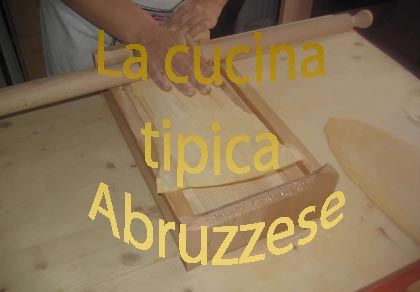
Abruzzo is famous for its cuisine, both mountain and coastal, with traditions that vary from area to area
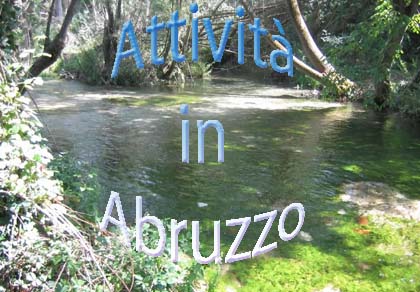
Walks, diving, climbing, mountain biking, horse riding — all outdoor activities available in Abruzzo
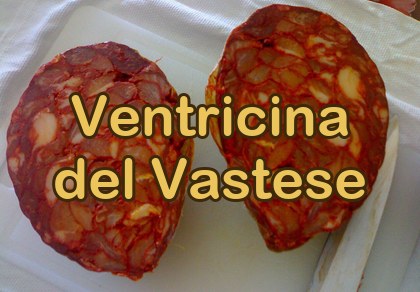
Large pieces of pork with sweet pepper, in a pig’s bladder: a Slow Food Presidium.
The lean salami pressed under boards, from the Frentano tradition: a Slow Food Presidium.

Pear-shaped stretched-curd cow’s milk cheese, hung in pairs to age.

The extra virgin oil of the Chieti hills, between the Majella and the sea, from the Gentile di Chieti olive.
Small red horn peppers, dried on strings and ground: a Slow Food Presidium.
The «mazzaferrata» artichoke of the Vastese, celebrated every spring at the Cupello festival.
A spineless, round and tender artichoke, born from the Roman «Campagnano» and adapted over decades to the clay hills of the Vastese: from late winter into spring it fills the markets and tables of the coast.
A local spineless artichoke ecotype.
The Cupello artichoke is a local ecotype derived from «Campagnano», a Roman variety: a round, spineless artichoke with green bracts tinged with purple and a tender heart.
Intensive growing began in the late 1950s and early 1960s as an alternative to cereals. In 1961 the first cooperative to market it, San Rocco, was founded in Cupello and is still active today.
It is grown mainly in Cupello, where most of the fields are, and in San Salvo, with small plots also in Vasto, Monteodorisio and Lentella: hills near the sea, in the southern part of the province of Chieti.
In Vasto cooking artichokes are prepared in a thousand ways, from the pan to the grill.
Contacts checked on the official websites in October 2026: check availability and prices before ordering.
The cooperative founded in 1961 to market the Cupello artichoke, a reference point for hundreds of member farmers. We could not find verified contact details: in spring the easiest way to buy it is the Cupello Artichoke Festival, between late April and early May, or the markets and growers between Cupello and San Salvo.
Tap a photo to enlarge it.
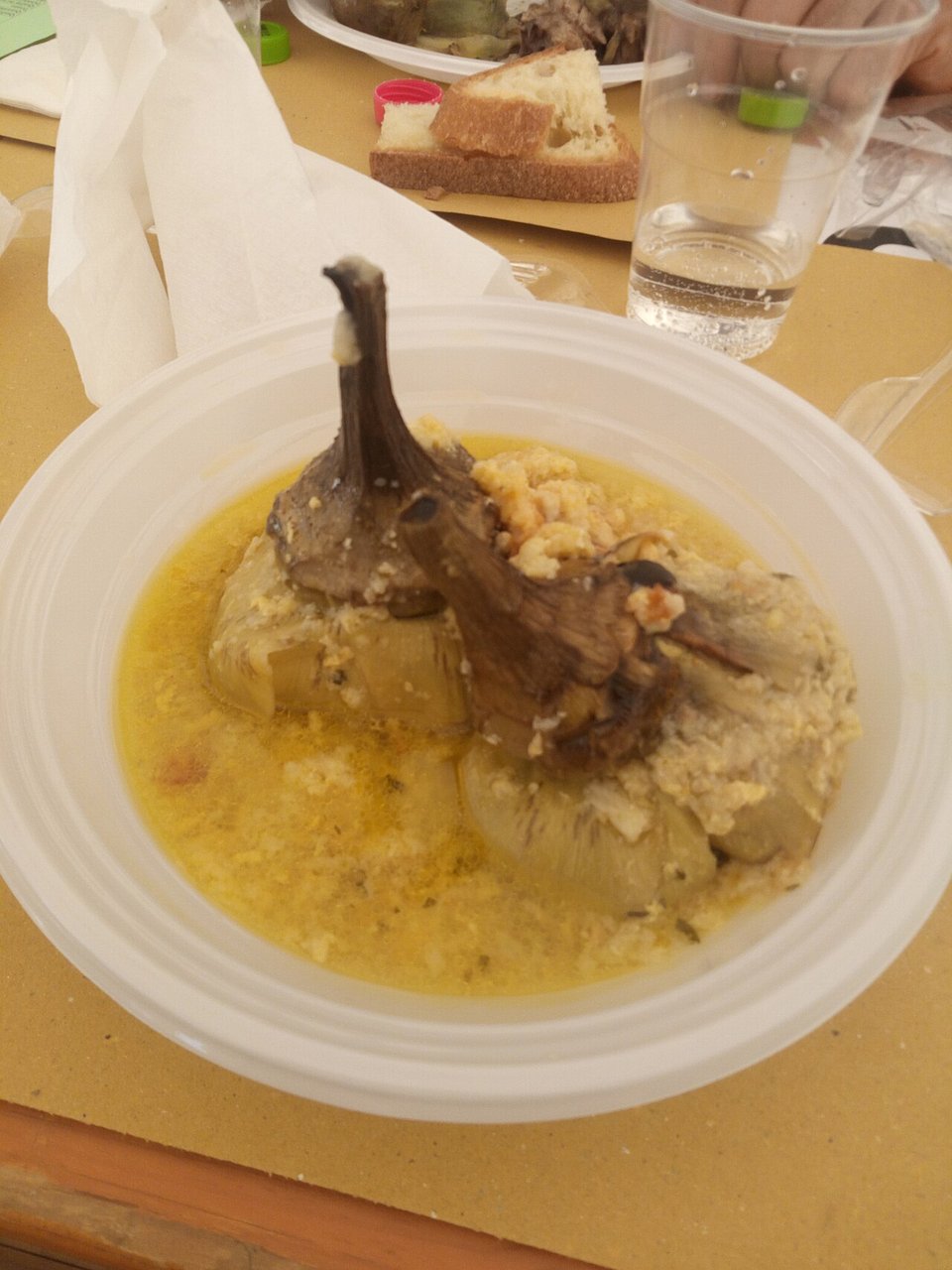
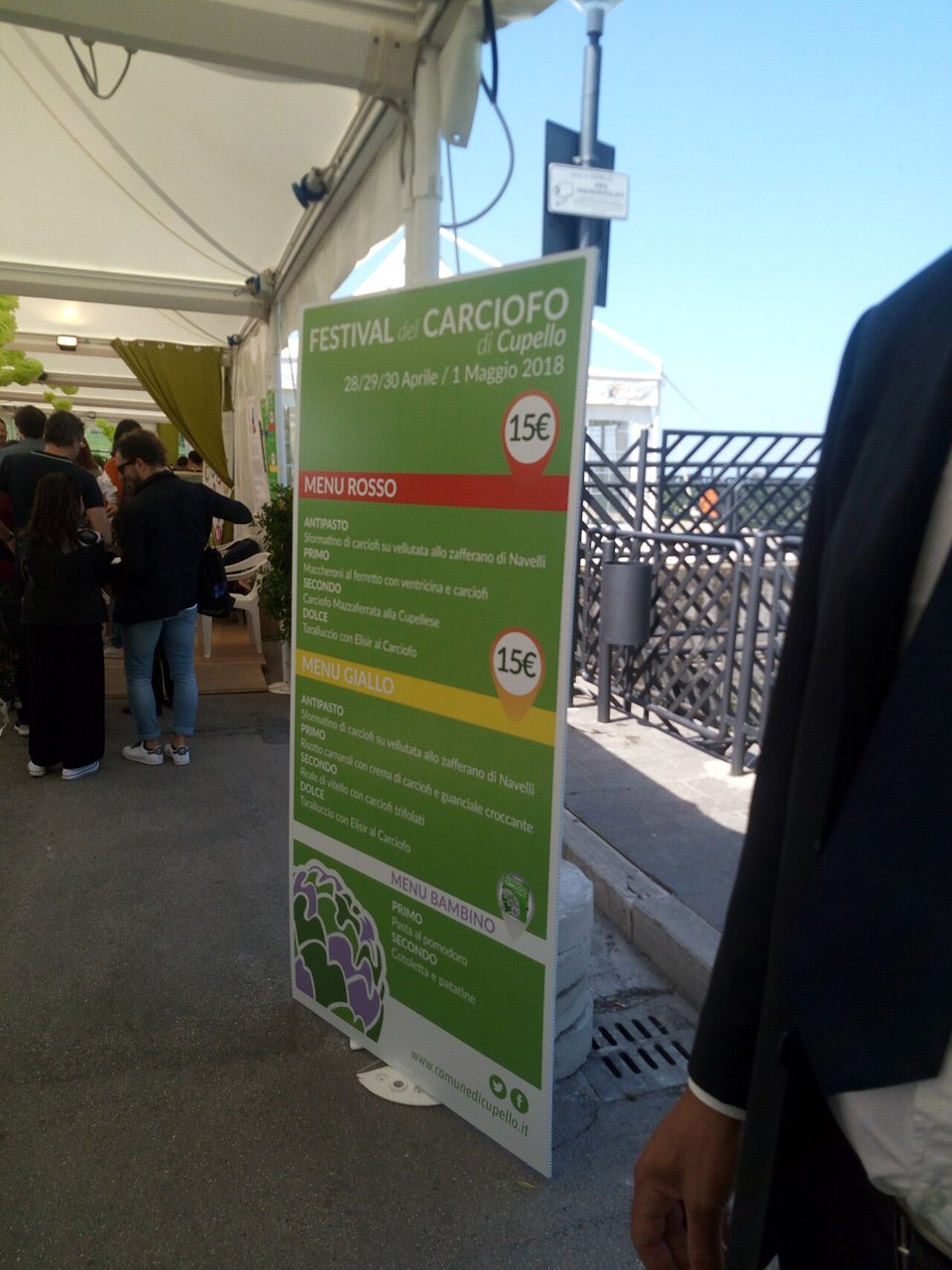
Photo 1: cooked artichokes served at the Cupello Artichoke Festival (2018); photo 2: the festival menu. Credits: Giorgio Pietrocola (CC BY-SA 4.0); Giorgio Pietrocola (CC BY-SA 4.0), via Wikimedia Commons, resized; the menu icon is also made from photo 1.
After the war, Cupello’s farmers began growing artichokes instead of wheat: the crop spread within a few years, and in 1961 the San Rocco cooperative was founded to sell them in the markets of central and northern Italy.
The first artichoke festival was held in 1965; after a few years’ break it resumed in 1990 and is now the Artichoke Festival, with dedicated dishes and menus.
Il nostro menù con l'elenco dei nostri collegamenti rapidi.
The most popular ski resorts, the updated snow report and useful information on how to find lifts or book accommodation for your winter holiday
Vai
View the webcams in Abruzzo and check real‑time weather conditions. Some webcams belong to www.abruzzoparchi.it, others are located throughout the region
Vai
Weather forecasts for the coming days in Abruzzo. Live weather via our webcams and temperatures recorded in several mountain areas
Vai
Maps for trekking, mountain biking, ski touring, running and horse riding. You can also download the GPX track of each route
Vai
Walks, diving, climbing, mountain biking, horse riding — all outdoor activities available in Abruzzo
Vai
Choose between sea or mountains, summer or winter, a sporty holiday or a relaxing one — Abruzzo has it all
Vai
Abruzzo is famous for its cuisine, both mountain and coastal, with traditions that vary from area to area
Vai
Abruzzo’s villages are famous for their fortresses, mountains and the traditional trabocchi along the southern coast
Vai
One of Italy’s most famous and oldest national parks
Vai
One of Italy’s wildest parks, with typical Apennine landscapes and Dolomite‑like peaks
Vai
Located in the heart of the Apennines, home to the beautiful villages of the Rocche Plateau
Vai
One of the snowiest places in Italy, a unique mountain massif rising close to the sea
Vai