
Perform a search
Find information using our search tool (beta)


Eating in Italy is a pleasure, and moving from region to region you discover new dishes and ingredients. In Abruzzo cooking is both simple and complex: humble ingredients enriched by unexpected touches. Here you will find our family recipes, local products and tips for eating well in the region.
Find information using our search tool (beta)
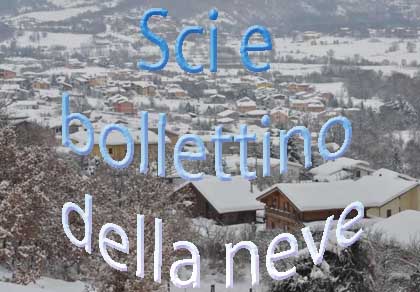
The most popular ski resorts, the updated snow report, and useful information on lifts and accommodation for your winter holiday

View webcams in Abruzzo and check real‑time weather. Some webcams are owned by www.abruzzoparchi.it, others are located throughout the region

Weather forecast for the coming days in Abruzzo. Live weather via our webcams and temperatures recorded in mountain areas
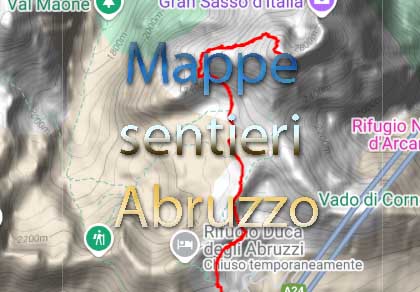
Maps for trekking, mountain biking, ski mountaineering, running and horse riding. GPX files can also be downloaded
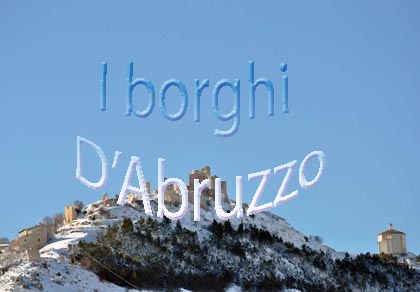
Abruzzo’s villages are famous for their fortresses, mountains and the trabocchi along the southern coast

One of Italy’s most famous and oldest national parks
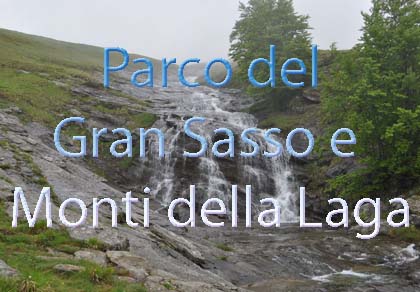
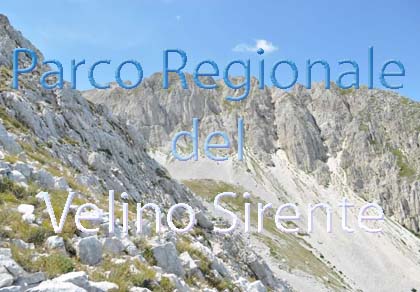
In the heart of the Apennines, with the beautiful villages of the Rocche Plateau
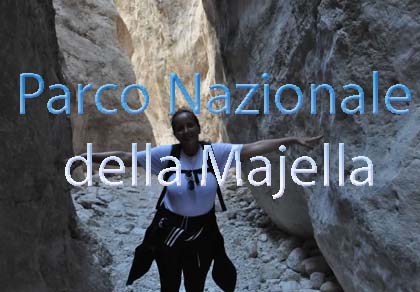
One of the snowiest places in Italy, a unique area close to the sea

The 25 regional nature reserves of Abruzzo: caves, waterfalls, springs, lakes and coastline, with map and search
Choose between sea or mountains, summer or winter, a sports holiday or a relaxing one – the choice is yours
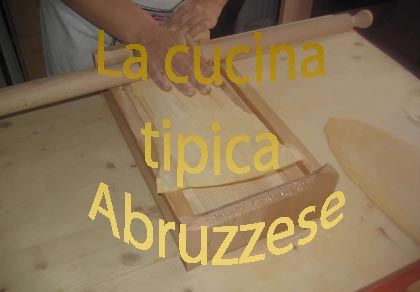
Abruzzo is famous for its cuisine, both mountain and coastal, with traditions that vary from area to area
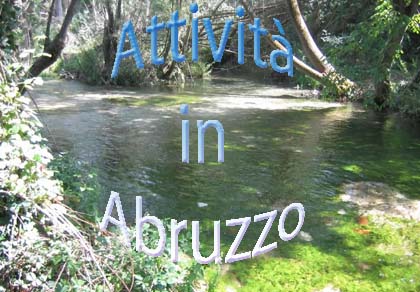
Walks, diving, climbing, mountain biking, horse riding – all activities available in Abruzzo
Cerca tra tutti i piatti e i dolci tipici di questa pagina.

Mutton skewers grilled over embers, the symbol of Abruzzo cooking.

Castrato mutton chops on the grill, a home favourite around L’Aquila.

Leg of lamb roasted with potatoes, garlic and rosemary: the holiday lunch.

Lamb stew finished with egg and lemon, the Easter dish of L’Aquila.

Homemade potato gnocchi with castrato mutton ragù, the L’Aquila way.

Egg fettuccine with poplar and field mushrooms picked in autumn.

Little squares of egg pasta cooked in meat broth: comfort food for winter evenings.
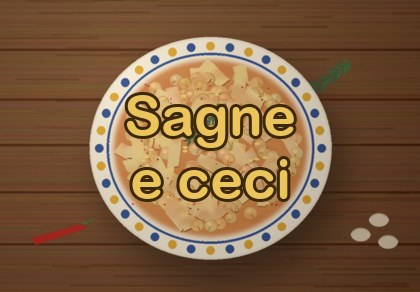
Homemade flour-and-water pasta cut into pieces and cooked with chickpeas: a humble, tasty mountain first course.
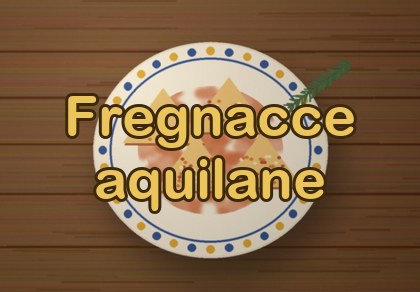
Thin crêpes filled with ragù and cheese, folded into triangles and baked.
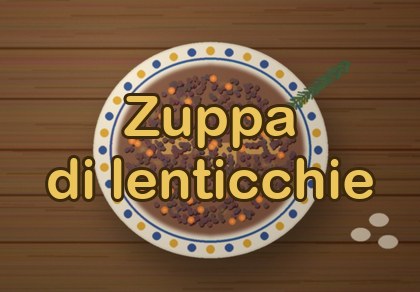
The tiny Gran Sasso lentils cooked with garlic, celery and tomato, on toasted bread.
The ancient pulse of the Baronia slow-cooked with rosemary, garlic and new oil.
Cracked spelt cooked in broth with vegetables and pork rind or guanciale, a mountain dish.
Polenta poured onto the wooden board with sausage sauce and eaten by everyone together.
Ravioli from Scanno and the Alto Sangro filled with sheep’s ricotta, with tomato sauce.
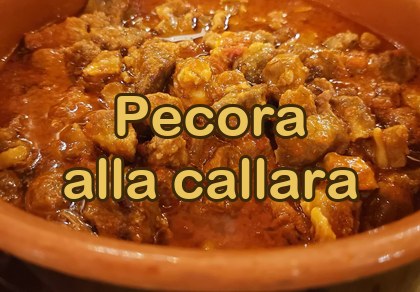
Mutton cooked for hours in a copper cauldron with herbs and chilli, the shepherds’ dish.
Lamb chops on the embers and coratella (offal) in the pan with onion and artichokes.
Trout from the clear rivers around L’Aquila, grilled or pan-fried with herbs and lemon.
Potatoes cooked in the hearth under an iron bell covered with embers, with rosemary and garlic.
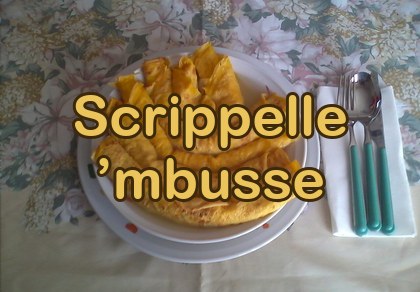
Crêpes rolled with pecorino and served in chicken broth, the festive first course of Teramo.

Layers of crêpes with ragù, tiny meatballs, scamorza and eggs, baked in the oven.
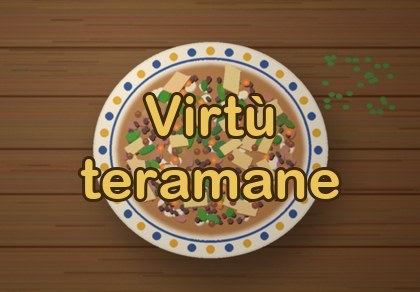
The 1 May soup with dried pulses, spring vegetables, meat and different pastas.
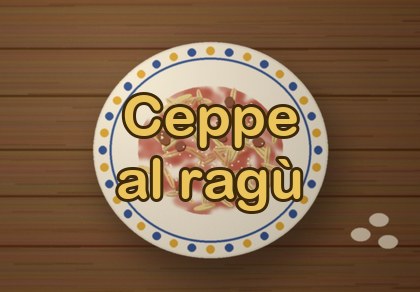
Flour-and-water pasta rolled around a thin stick, with mixed meat ragù.
Lamb offal wrapped in lettuce leaves and tied with casing, the Easter dish.
The humble cuts of pork slow-cooked with vinegar, pepper and rosemary, in the Val Vibrata.
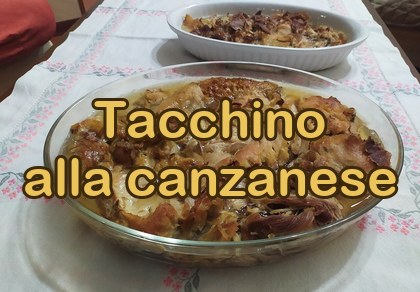
Turkey slow-cooked with herbs and served cold in its own jelly, the pride of Canzano.
A whole boned pig, flavoured with rosemary, garlic and pepper and roasted in a wood oven.
Giulianova’s fish stew with tomato, pepper and vinegar, cooked in an earthenware pan.

Egg pasta cut on the «chitarra», Abruzzo’s traditional wire frame.
Lamb stew finished with egg and lemon, the Easter dish of L’Aquila.
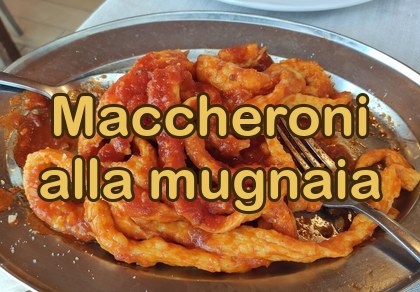
One single, very long strand of hand-pulled pasta dressed with ragù, typical of Elice.
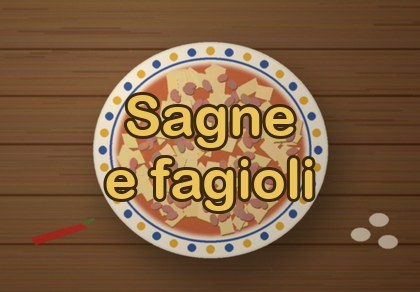
Flour-and-water pasta cut into pieces and cooked with beans, tomato and chilli.
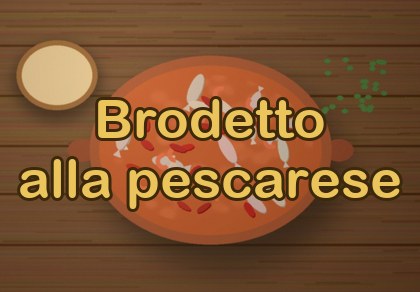
Adriatic fish stew with tomato and sweet pepper, eaten with bread.
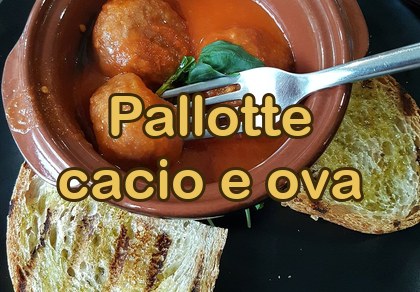
Meatless balls of bread, eggs and cheese, fried and then simmered in tomato sauce.
Mutton skewers grilled over embers, the symbol of Abruzzo cooking.
Meatless balls of bread, eggs and cheese, fried and then simmered in tomato sauce.
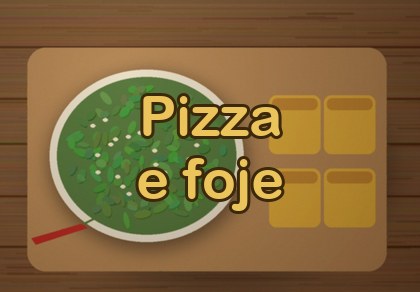
Wild greens sautéed with garlic and chilli and served with cornbread.
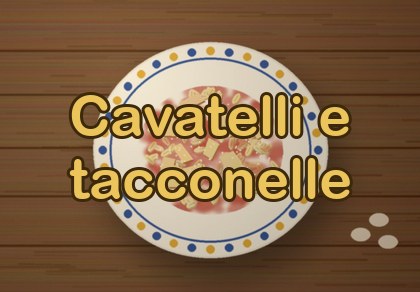
Homemade pastas of the Chieti area, with meat sauce or with pulses.
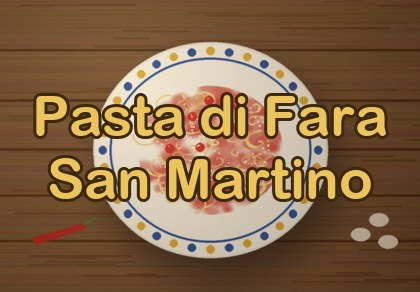
Bronze-drawn semolina pasta made with Majella water, dressed simply with tomato.
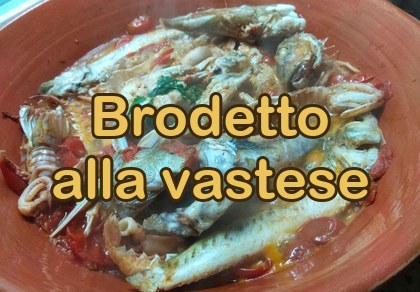
Vasto’s fish stew with sweet pepper, cooked in an earthenware pan without stirring.
Fried fish marinated in vinegar with saffron, kept in wooden tubs.
Salt cod stewed with tomato and dried sweet peppers, the Christmas Eve dish.

Leavened potato rings, fried and sugared, made for St Joseph’s Day in L’Aquila.
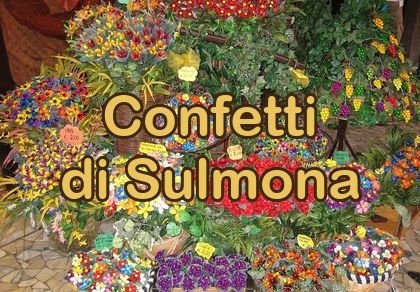
Almonds coated in sugar, made since the 18th century: in Sulmona confetti are also shaped into flowers and ears of wheat.
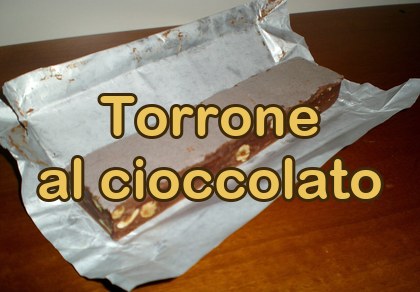
The soft chocolate and hazelnut nougat born in L’Aquila in the 19th century with the Nurzia family.
Scanno’s half-dome cake: almonds, honey and a dark chocolate coating.
Christmas biscuits made with honey, almonds and cooked grape must, often coated in chocolate.
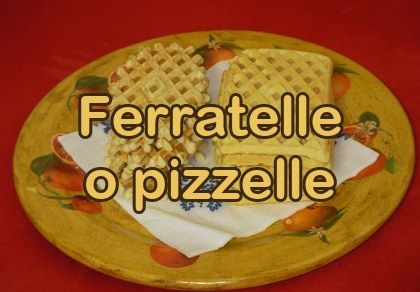
Thin wafers cooked between two decorated iron plates, flavoured with anise or lemon.

Fried dough balls bound with honey: the Carnival sweet of Abruzzo.
Teramo biscuits made with honey, almonds and black pepper: sweet and spicy at once.
Olive-oil and wine pastry biscuits filled with scrucchiata, the Montepulciano grape jam.
A festive sponge cake soaked in alchermes, with custard and chocolate cream.
Layers of dried figs, almonds and chocolate pressed in a mould: the Christmas «libretto».

Pescara’s Christmas cake: almonds, semolina and a dark chocolate coating.
Thin wafers cooked between two decorated iron plates, flavoured with anise or lemon.
Soft biscuits of almonds, sugar and egg white, from the hills around Pescara.

Sweet anise rings from the Chieti area, first boiled and then baked.
Fried dough balls bound with honey: the Carnival sweet of Abruzzo.
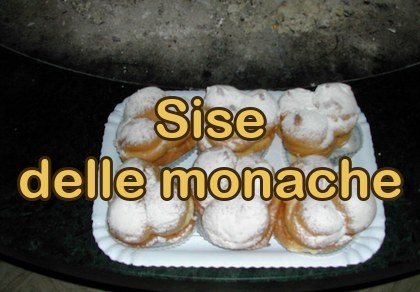
Guardiagrele’s pastry: three-peaked sponge filled with custard and dusted with icing sugar.
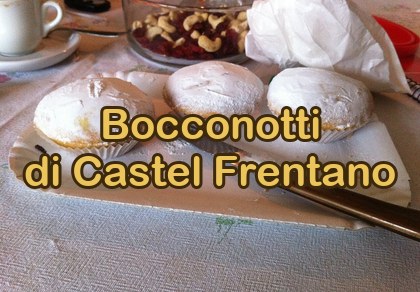
Small shortcrust cases filled with almonds, chocolate and cinnamon.
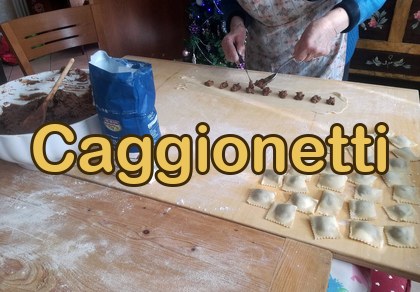
Fried sweet Christmas ravioli filled with chestnuts or chickpeas, chocolate and cooked must.
Flattened oval pastries filled with grape jam, walnuts and cocoa: the sweet of this Majella village.
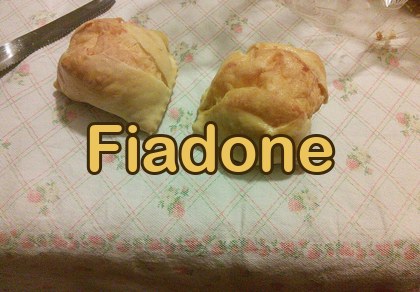
The Easter savoury pastry: a dough parcel filled with cheese and eggs that puffs up in the oven.
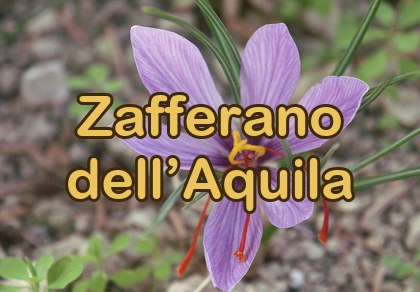
The red gold of the Navelli plateau: stigmas picked at dawn and dried over embers.
Tiny and dark, grown above 1,200 metres below the Gran Sasso: a Slow Food Presidium.
The ancient «pebble» pulse of the Baronia, between chickpea and lentil, for soups and fracchiata.
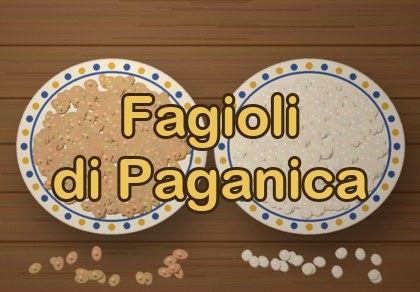
Climbing beans from the Vera basin, «a pane» and white: a Slow Food Presidium.
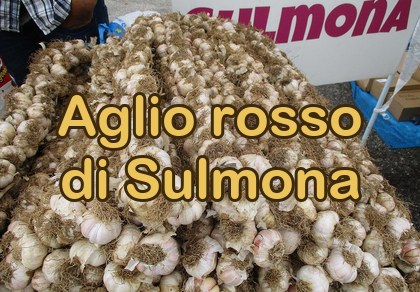
Red-purple skins, intense flavour and traditional braids from the Valle Peligna.
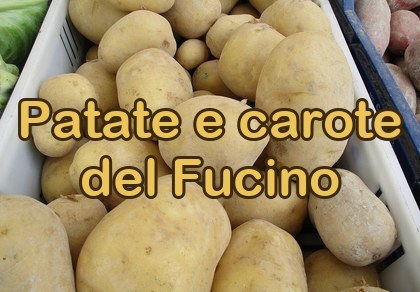
Potatoes and carrots from the reclaimed Fucino plain, two Abruzzo PGIs.
Sheep’s cheese from the Campo Imperatore pastures, aged in cellars: a Slow Food Presidium.
The stretched-curd cow’s milk cheese of the Cinquemiglia plateau, fresh or smoked.
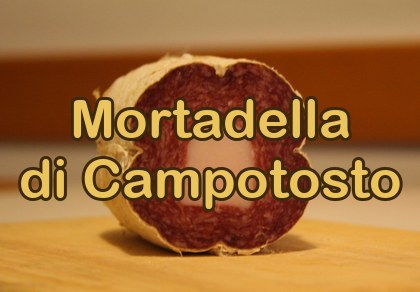
An oval cured sausage tied in pairs, with a strip of lard in the centre, aged in the lake wind.
Horseshoe-shaped, spicy or sweet with honey: eaten on Easter morning. A Slow Food Presidium.
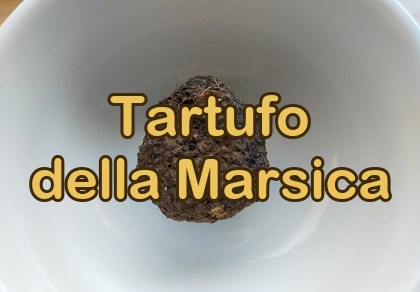
Black winter, summer scorzone and white truffles in the woods of the Marsica.
The soft cured pork to spread on bread, with pepper, garlic, rosemary and orange zest.
Pork liver with garlic, orange zest and bay, also in a sweet version with honey.
The extra virgin oil of the hills between the Gran Sasso and the Adriatic, from Leccino, Frantoio and Dritta.
Liquorice made in Atri since 1836: wheels, sticks, pastilles and sweets.
The pecorino made with pig rennet, on the eastern side of the Gran Sasso: a Slow Food Presidium.
One of Europe’s first PDO oils, from the hills of Loreto Aprutino, Penne and Pianella.
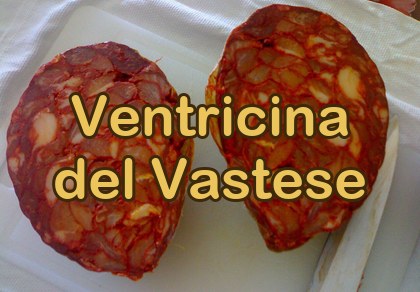
Large pieces of pork with sweet pepper, in a pig’s bladder: a Slow Food Presidium.
The lean salami pressed under boards, from the Frentano tradition: a Slow Food Presidium.
Pear-shaped stretched-curd cow’s milk cheese, hung in pairs to age.

The extra virgin oil of the Chieti hills, between the Majella and the sea, from the Gentile di Chieti olive.
Small red horn peppers, dried on strings and ground: a Slow Food Presidium.
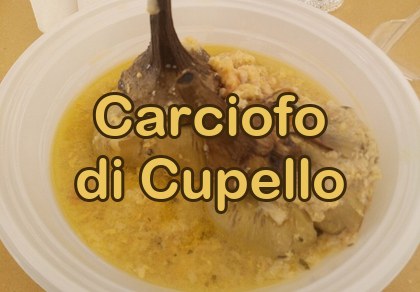
The «mazzaferrata» artichoke of the Vastese, celebrated every spring at the Cupello festival.
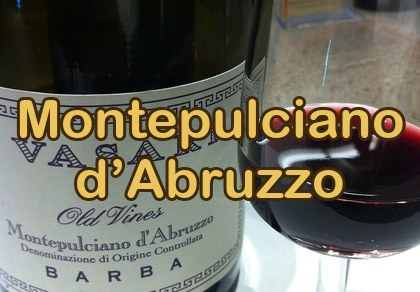
The region’s signature red, from the Montepulciano grape: with arrosticini, lamb and mutton.
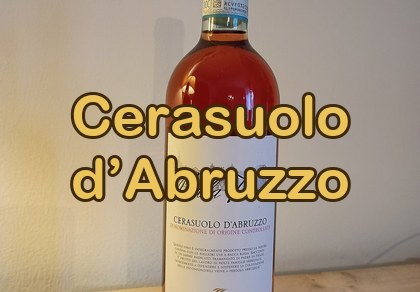
The cherry-coloured rosé from Montepulciano grapes, great with cured meats, fish stew and pasta.
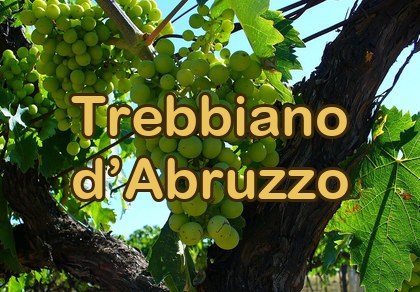
Abruzzo’s classic white, with fish, vegetables and mushroom dishes.
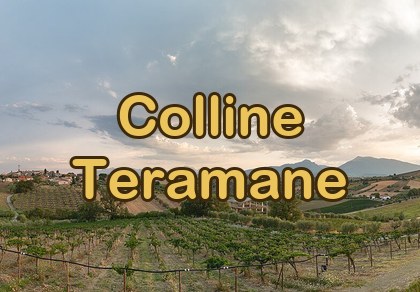
The Montepulciano of the Teramo hills, Abruzzo’s first DOCG, since 2003.
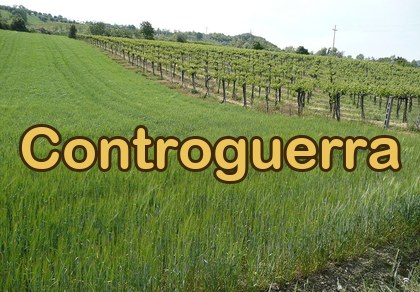
The wines of the Val Vibrata, on the border with the Marche: reds, whites and passito.
Tollo’s tiny DOCG: Montepulciano, Pecorino and Passerina from the Chieti hills.
The Montepulciano of Villamagna, Vacri and Bucchianico, between the Majella and the sea.

The golden liqueur made with L’Aquila saffron, served chilled after meals.
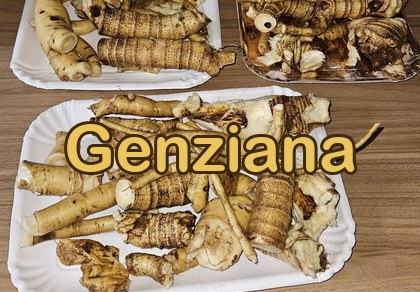
The bitter digestif of Abruzzo’s mountains, made from gentian roots.
A liqueur of sour cherries and Montepulciano wine, sweet and fragrant.
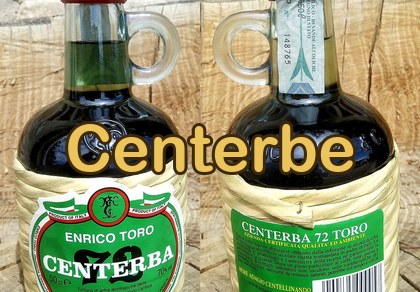
The strong green liqueur of Tocco da Casauria, made with Majella herbs since 1817.
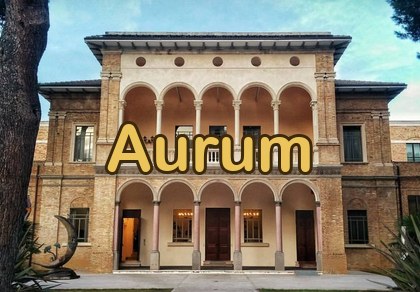
Pescara’s brandy and orange liqueur, named by D’Annunzio in 1925.
From the shepherds’ grill to holiday sweets, from pasta cut on the chitarra to the fish stew of the coast: a cuisine of simple ingredients and recipes handed down in families.
Simple and complex at the same time.
Everyone knows it: eating in Italy is a real pleasure, a constant discovery of aromas and flavours that tell the story and traditions of each land. And moving from region to region you meet dishes and ingredients that are almost unknown elsewhere. Abruzzo is no exception.
Abruzzo cooking is made of humble ingredients enriched by unexpected touches. In L’Aquila you can enjoy maltagliati pasta with saffron and sausage or lamb «cacio e ova»; taste the local cured meats, such as liver sausages and Campotosto mortadella; and finish with ferratelle wafers, which in L’Aquila are crumbly and scented with anise.
Every province has its own specialities and typical dishes, all waiting to be discovered.
Family recipes, explained step by step and translated into five languages.
Mutton skewers grilled over embers, the symbol of Abruzzo cooking.
Egg pasta cut on the «chitarra», Abruzzo’s traditional wire frame.
Castrato mutton chops on the grill, a home favourite around L’Aquila.
Leg of lamb roasted with potatoes, garlic and rosemary: the holiday lunch.
Lamb stew finished with egg and lemon, the Easter dish of L’Aquila.
Homemade potato gnocchi with castrato mutton ragù, the L’Aquila way.
Egg fettuccine with poplar and field mushrooms picked in autumn.
Little squares of egg pasta cooked in meat broth: comfort food for winter evenings.
Pescara’s Christmas cake: almonds, semolina and a dark chocolate coating.
Sweet anise rings from the Chieti area, first boiled and then baked.
Leavened potato rings, fried and sugared, made for St Joseph’s Day in L’Aquila.
Fried dough balls bound with honey: the Carnival sweet of Abruzzo.
Homemade flour-and-water pasta cut into pieces and cooked with chickpeas: a humble, tasty mountain first course.
Thin crêpes filled with ragù and cheese, folded into triangles and baked.
The tiny Gran Sasso lentils cooked with garlic, celery and tomato, on toasted bread.
The ancient pulse of the Baronia slow-cooked with rosemary, garlic and new oil.
Cracked spelt cooked in broth with vegetables and pork rind or guanciale, a mountain dish.
Polenta poured onto the wooden board with sausage sauce and eaten by everyone together.
Ravioli from Scanno and the Alto Sangro filled with sheep’s ricotta, with tomato sauce.
Mutton cooked for hours in a copper cauldron with herbs and chilli, the shepherds’ dish.
Lamb chops on the embers and coratella (offal) in the pan with onion and artichokes.
Trout from the clear rivers around L’Aquila, grilled or pan-fried with herbs and lemon.
Potatoes cooked in the hearth under an iron bell covered with embers, with rosemary and garlic.
Crêpes rolled with pecorino and served in chicken broth, the festive first course of Teramo.
Layers of crêpes with ragù, tiny meatballs, scamorza and eggs, baked in the oven.
The 1 May soup with dried pulses, spring vegetables, meat and different pastas.
Flour-and-water pasta rolled around a thin stick, with mixed meat ragù.
Lamb offal wrapped in lettuce leaves and tied with casing, the Easter dish.
The humble cuts of pork slow-cooked with vinegar, pepper and rosemary, in the Val Vibrata.
Turkey slow-cooked with herbs and served cold in its own jelly, the pride of Canzano.
A whole boned pig, flavoured with rosemary, garlic and pepper and roasted in a wood oven.
Giulianova’s fish stew with tomato, pepper and vinegar, cooked in an earthenware pan.
One single, very long strand of hand-pulled pasta dressed with ragù, typical of Elice.
Flour-and-water pasta cut into pieces and cooked with beans, tomato and chilli.
Adriatic fish stew with tomato and sweet pepper, eaten with bread.
Meatless balls of bread, eggs and cheese, fried and then simmered in tomato sauce.
Wild greens sautéed with garlic and chilli and served with cornbread.
Homemade pastas of the Chieti area, with meat sauce or with pulses.
Bronze-drawn semolina pasta made with Majella water, dressed simply with tomato.
Vasto’s fish stew with sweet pepper, cooked in an earthenware pan without stirring.
Fried fish marinated in vinegar with saffron, kept in wooden tubs.
Salt cod stewed with tomato and dried sweet peppers, the Christmas Eve dish.
Almonds coated in sugar, made since the 18th century: in Sulmona confetti are also shaped into flowers and ears of wheat.
The soft chocolate and hazelnut nougat born in L’Aquila in the 19th century with the Nurzia family.
Scanno’s half-dome cake: almonds, honey and a dark chocolate coating.
Christmas biscuits made with honey, almonds and cooked grape must, often coated in chocolate.
Thin wafers cooked between two decorated iron plates, flavoured with anise or lemon.
Teramo biscuits made with honey, almonds and black pepper: sweet and spicy at once.
Olive-oil and wine pastry biscuits filled with scrucchiata, the Montepulciano grape jam.
A festive sponge cake soaked in alchermes, with custard and chocolate cream.
Layers of dried figs, almonds and chocolate pressed in a mould: the Christmas «libretto».
Soft biscuits of almonds, sugar and egg white, from the hills around Pescara.
Guardiagrele’s pastry: three-peaked sponge filled with custard and dusted with icing sugar.
Small shortcrust cases filled with almonds, chocolate and cinnamon.
Fried sweet Christmas ravioli filled with chestnuts or chickpeas, chocolate and cooked must.
Flattened oval pastries filled with grape jam, walnuts and cocoa: the sweet of this Majella village.
The Easter savoury pastry: a dough parcel filled with cheese and eggs that puffs up in the oven.
Profiles of typical Abruzzo products, with details on where to buy them.
The red gold of the Navelli plateau: stigmas picked at dawn and dried over embers.
Tiny and dark, grown above 1,200 metres below the Gran Sasso: a Slow Food Presidium.
The ancient «pebble» pulse of the Baronia, between chickpea and lentil, for soups and fracchiata.
Climbing beans from the Vera basin, «a pane» and white: a Slow Food Presidium.
Red-purple skins, intense flavour and traditional braids from the Valle Peligna.
Potatoes and carrots from the reclaimed Fucino plain, two Abruzzo PGIs.
Sheep’s cheese from the Campo Imperatore pastures, aged in cellars: a Slow Food Presidium.
The stretched-curd cow’s milk cheese of the Cinquemiglia plateau, fresh or smoked.
An oval cured sausage tied in pairs, with a strip of lard in the centre, aged in the lake wind.
Horseshoe-shaped, spicy or sweet with honey: eaten on Easter morning. A Slow Food Presidium.
Black winter, summer scorzone and white truffles in the woods of the Marsica.
The soft cured pork to spread on bread, with pepper, garlic, rosemary and orange zest.
Pork liver with garlic, orange zest and bay, also in a sweet version with honey.
The extra virgin oil of the hills between the Gran Sasso and the Adriatic, from Leccino, Frantoio and Dritta.
Liquorice made in Atri since 1836: wheels, sticks, pastilles and sweets.
The pecorino made with pig rennet, on the eastern side of the Gran Sasso: a Slow Food Presidium.
One of Europe’s first PDO oils, from the hills of Loreto Aprutino, Penne and Pianella.
Large pieces of pork with sweet pepper, in a pig’s bladder: a Slow Food Presidium.
The lean salami pressed under boards, from the Frentano tradition: a Slow Food Presidium.
Pear-shaped stretched-curd cow’s milk cheese, hung in pairs to age.
The extra virgin oil of the Chieti hills, between the Majella and the sea, from the Gentile di Chieti olive.
Small red horn peppers, dried on strings and ground: a Slow Food Presidium.
The «mazzaferrata» artichoke of the Vastese, celebrated every spring at the Cupello festival.
The region’s signature red, from the Montepulciano grape: with arrosticini, lamb and mutton.
The cherry-coloured rosé from Montepulciano grapes, great with cured meats, fish stew and pasta.
Abruzzo’s classic white, with fish, vegetables and mushroom dishes.
The Montepulciano of the Teramo hills, Abruzzo’s first DOCG, since 2003.
The wines of the Val Vibrata, on the border with the Marche: reds, whites and passito.
Tollo’s tiny DOCG: Montepulciano, Pecorino and Passerina from the Chieti hills.
The Montepulciano of Villamagna, Vacri and Bucchianico, between the Majella and the sea.
The golden liqueur made with L’Aquila saffron, served chilled after meals.
The bitter digestif of Abruzzo’s mountains, made from gentian roots.
A liqueur of sour cherries and Montepulciano wine, sweet and fragrant.
The strong green liqueur of Tocco da Casauria, made with Majella herbs since 1817.
Pescara’s brandy and orange liqueur, named by D’Annunzio in 1925.
Aquilano, Marsica, Valle Peligna, Alto Sangro, Gran Sasso
The region’s signature red, perfect with arrosticini, mutton and lamb.
The rosé from Montepulciano grapes, excellent with cured meats, fish stew and pasta.
The classic white, with fish and mushroom dishes.
An aromatic white from native grapes, more and more popular.
Find a restaurant in Abruzzo on TripAdvisor
Find a restaurant in L’Aquila and its province
Vai
Find a restaurant in Pescara and its province
Vai
Find a restaurant in Teramo and its province
Vai
Find a restaurant in Chieti and its province
Vai
Find a restaurant in Sulmona
Vai
Find a restaurant in Avezzano
Vai
Find a restaurant in Ovindoli
Vai
Find a restaurant in Rocca di Mezzo
Vai
Find a restaurant in Roccaraso
Vai
Our menu with all our quick links.
Find information using our search tool (beta)
Vai
The most popular ski resorts, the updated snow report, and useful information on lifts and accommodation for your winter holiday
Vai
View webcams in Abruzzo and check real‑time weather. Some webcams are owned by www.abruzzoparchi.it, others are located throughout the region
Vai
Weather forecast for the coming days in Abruzzo. Live weather via our webcams and temperatures recorded in mountain areas
Vai
Maps for trekking, mountain biking, ski mountaineering, running and horse riding. GPX files can also be downloaded
Vai
Walks, diving, climbing, mountain biking, horse riding – all activities available in Abruzzo
Vai
Choose between sea or mountains, summer or winter, a sports holiday or a relaxing one – the choice is yours
Vai
Abruzzo is famous for its cuisine, both mountain and coastal, with traditions that vary from area to area
Vai
Abruzzo’s villages are famous for their fortresses, mountains and the trabocchi along the southern coast
Vai
One of Italy’s most famous and oldest national parks
Vai
One of Italy’s wildest parks, with typical Apennine landscapes and Dolomite‑like peaks
Vai
In the heart of the Apennines, with the beautiful villages of the Rocche Plateau
Vai
One of the snowiest places in Italy, a unique area close to the sea
Vai
The 25 regional nature reserves of Abruzzo: caves, waterfalls, springs, lakes and coastline, with map and search
Vai