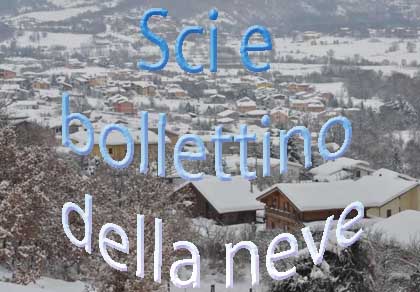
Skiing in Abruzzo – snow report
The most popular ski resorts, the updated snow report and useful information on how to find lifts or book accommodation for your winter holiday


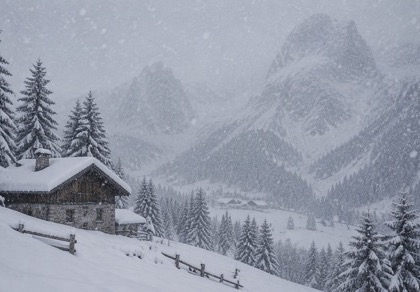
Far from the sea and enclosed by mountains, the oldest park in Abruzzo has snowy winters and cold valleys: snow arrives mainly with fronts from the west and with the sirocco.
The most popular ski resorts, the updated snow report and useful information on how to find lifts or book accommodation for your winter holiday

View the webcams in Abruzzo and check real‑time weather conditions. Some webcams belong to www.abruzzoparchi.it, others are located throughout the region
Weather forecasts for the coming days in Abruzzo. Live weather via our webcams and temperatures recorded in several mountain areas
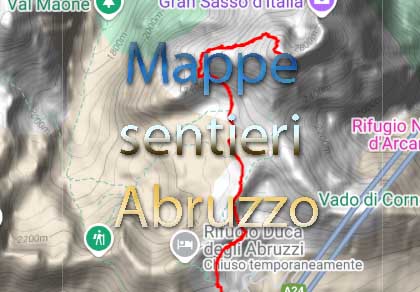
Maps for trekking, mountain biking, ski touring, running and horse riding. You can also download the GPX track of each route
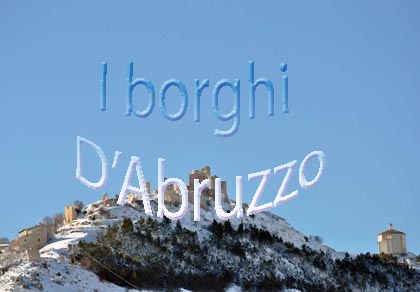
Abruzzo’s villages are famous for their fortresses, mountains and the traditional trabocchi along the southern coast

One of Italy’s most famous and oldest national parks
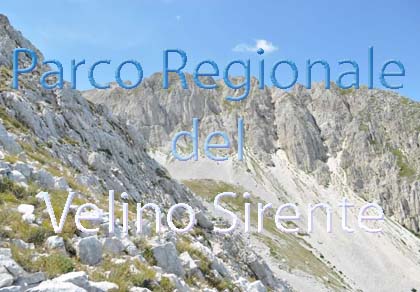
Located in the heart of the Apennines, home to the beautiful villages of the Rocche Plateau
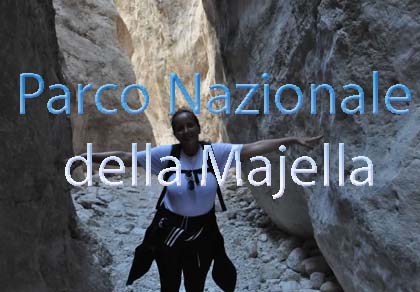
One of the snowiest places in Italy, a unique mountain massif rising close to the sea
Choose between sea or mountains, summer or winter, a sporty holiday or a relaxing one — Abruzzo has it all
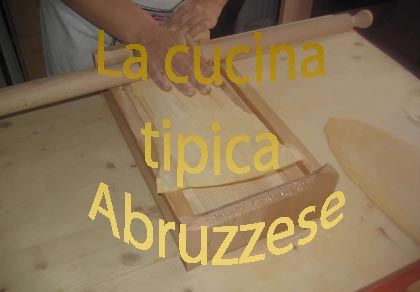
Abruzzo is famous for its cuisine, both mountain and coastal, with traditions that vary from area to area
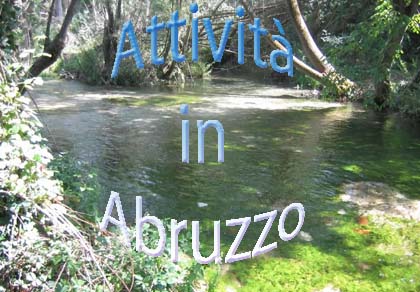
Walks, diving, climbing, mountain biking, horse riding — all outdoor activities available in Abruzzo
Far from the sea and enclosed by mountains, the oldest park in Abruzzo has snowy winters and cold valleys: snow arrives mainly with fronts from the west and with the sirocco.
The Abruzzo, Lazio and Molise National Park spreads around the upper Sangro valley, between the Monti Marsicani, the Meta and the Camosciara. It is the furthest from the Adriatic of the three national parks of Abruzzo: between the sea and its valleys lie the Majella and other mountain ranges. The villages, such as Pescasseroli, Opi, Villetta Barrea and Civitella Alfedena, are almost all above 900-1,000 m: the climate is that of inland mountains, with long winters and cool summers.
How the Stau effect, the bora and the garbino work is explained on the page The climate of Abruzzo; here we look at what happens in the park.
They bring the most rain and snow: clouds arrive from the Tyrrhenian Sea across Lazio and the Valle di Comino and unload on the Monti Marsicani and the Meta.
The south-east wind brings humid air from the Mediterranean: in the park and the Alto Sangro it rains or snows heavily, with heavy snow at altitude.
With cold outbreaks from the east the snow unloads mostly on the Majella and the Adriatic hills: in the park it arrives weakened, but the cold is intense and whatever snow falls lasts a long time.
On clear, still nights cold air slides down the slopes and pools on the valley floors, along the Sangro and in plains such as that of Pescasseroli: this is the temperature inversion, which can make the morning colder in the village than a few hundred metres higher up. In autumn and winter the valleys often fill with fog or hoarfrost while the ridges are in the sun. In summer nights stay cool even on the hottest days.
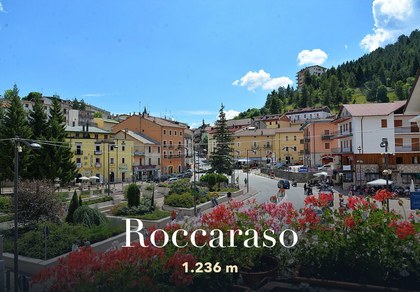
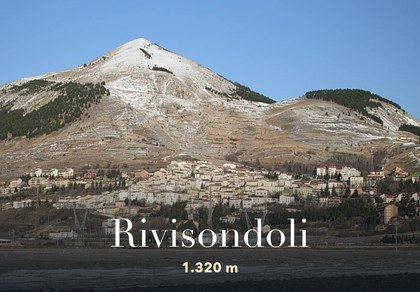
Snow covers the villages of the park almost every winter and lasts a long time in the shaded valleys and the beech woods. Above the villages, towards Passo Godi and the peaks of the Meta, accumulations are greater. Not far away, in the Alto Sangro, are the resorts of Roccaraso and Rivisondoli, which get snow with fronts from the west and with the sirocco. In winter the Camosciara and Val Fondillo are explored on snowshoes.
Outside the park, to the north, Scanno and the Sagittario gorges face the Valle Peligna instead: outbreaks from the east entering through the Popoli gorges are channelled into the Sagittario (we explain it here).
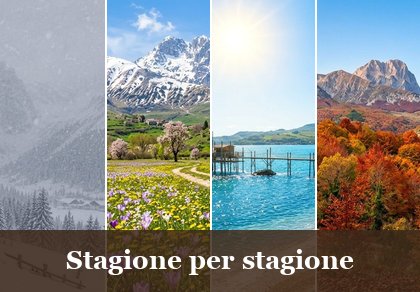
What to expect in the park, season by season. Ideas on what to do are in Abruzzo season by season.
Long and snowy, with very cold nights in the valleys. It is the time for snowshoeing in the beech woods and skiing in the Alto Sangro; the bears are hibernating.
It comes late: snow lasts on the peaks until May and night frosts can go on for a long time. Lower down the meadows bloom and the woods turn green again.
Mild days and cool nights, ideal for hiking and for three days in the park. Thunderstorms can form over the ridges in the afternoon.
The most beautiful season for the beech woods, which turn yellow, orange and red; it is also the time of the red deer rut. Rain from the west returns, with the first snowfalls at altitude.
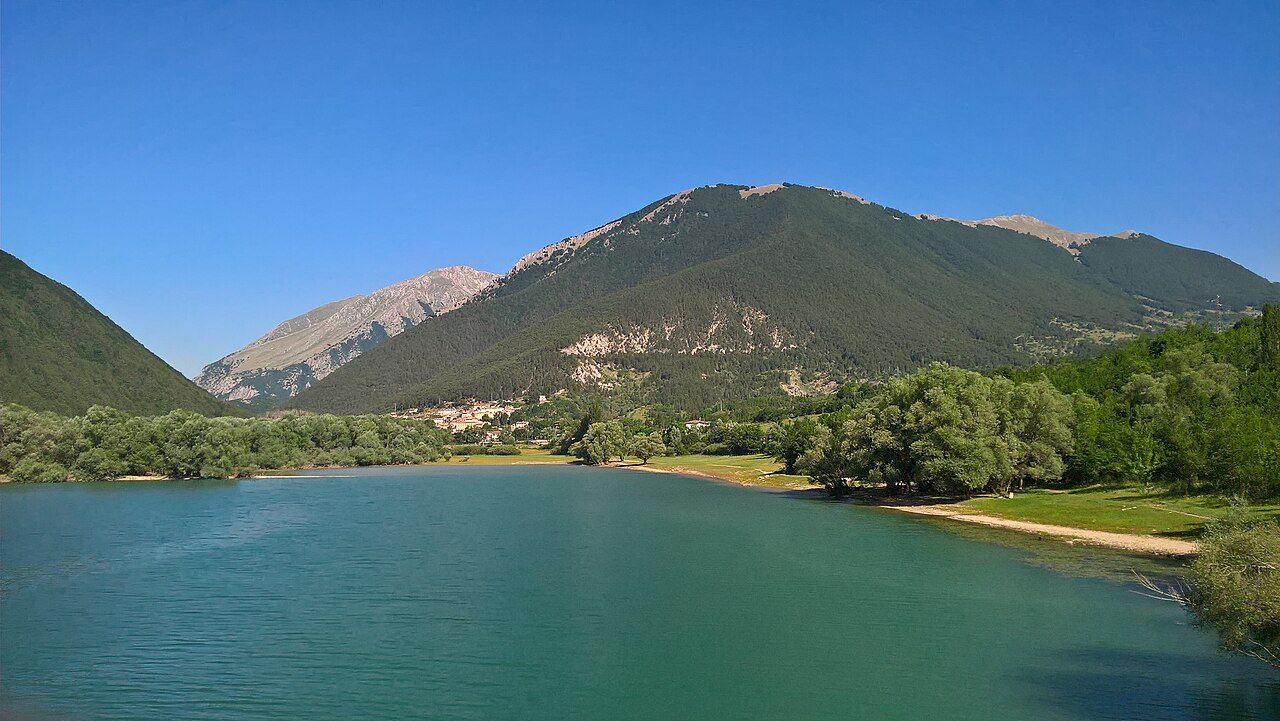
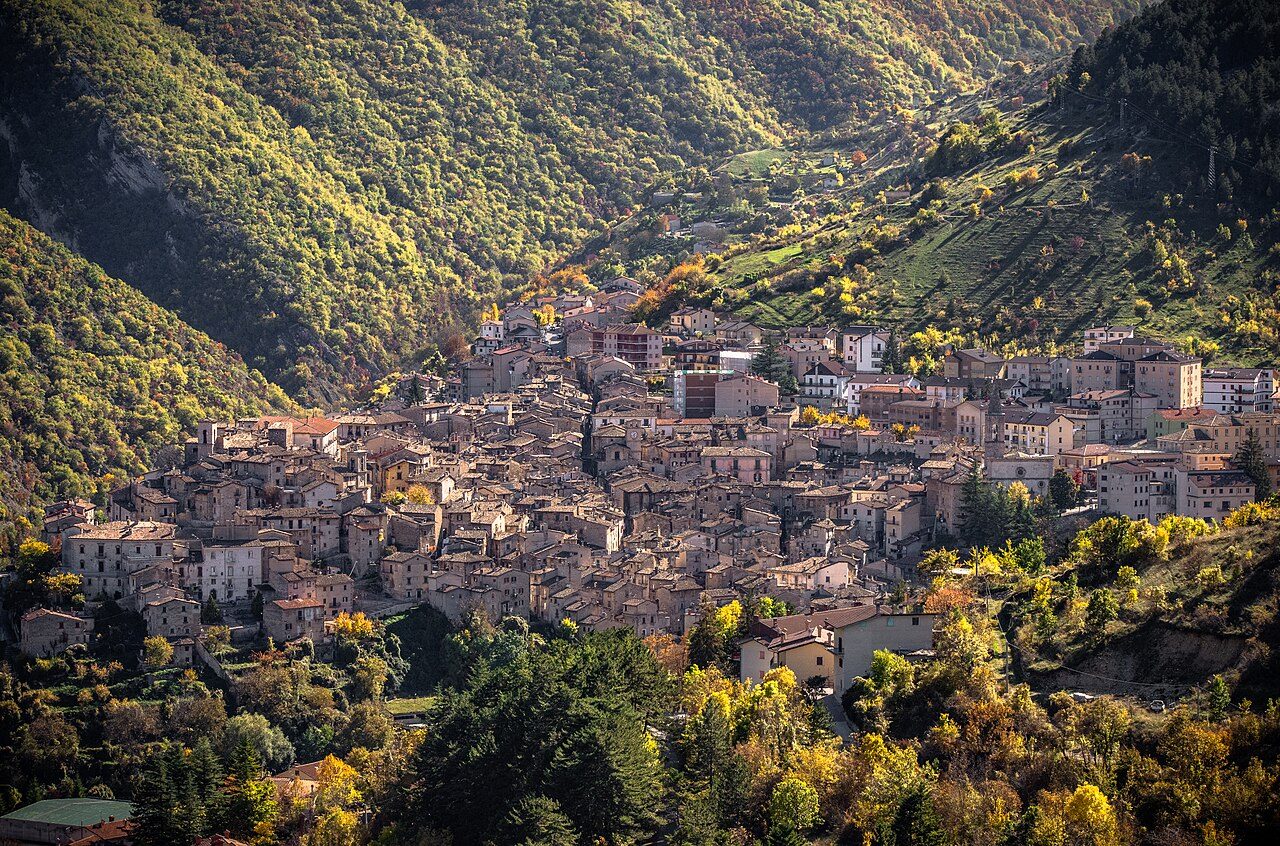
Snow report · Roccaraso · Rivisondoli · Snowshoeing · Ski touring
The park · Hiking guide · Villages of the park · Pescasseroli · Camosciara · Lake Scanno
Weather forecast for Abruzzo · Webcams of Pescasseroli, Villetta Barrea and Passo Godi
Average temperature, rainfall and snow values will be added with the official 1991-2020 climate normals.
Yes, almost every winter: Pescasseroli is at 1,167 m and gets snow mainly with fronts from the west and with the sirocco. In the valleys the snow lasts a long time because the nights are very cold.
Because of the temperature inversion: on clear, still nights cold air slides down the slopes and pools on the valley floors, so in the morning it can be colder in the village than higher up.
Less than to the Majella and the Adriatic hills, which stop most of the snow brought from the east; in the park it arrives weakened, but the cold is intense.
In autumn for the colourful beech woods and the red deer rut; in summer for hiking in mild weather; in winter for snowshoeing and skiing in the Alto Sangro; in spring for the blooming meadows, bearing in mind that snow lasts at altitude until May.

Rocca di Mezzo, Rocca di Cambio, Rovere, Terranera, Ovindoli

The Medieval Villages of the Gran Sasso, with their castles, towers, and ancient settlements that once dominated Abruzzo

The village of Cappadocia, in the western part of the Aquilan Abruzzo

The village of Casamaina, a favourite among skiers heading to Campo Felice or Ovindoli

The village of Castel del Monte, the highest settlement in the Gran Sasso area

The village of Civitella Alfedena, in the Abruzzo, Lazio and Molise National Park

Mountaineering on the Gran Sasso, the ideal place for freeride lovers seeking demanding routes

The city of L'Aquila, with its restored Renaissance palaces, a place rich in culture

The 2012 snowfall in L'Aquila brought over one metre of snow in 24 hours — unbelievable images

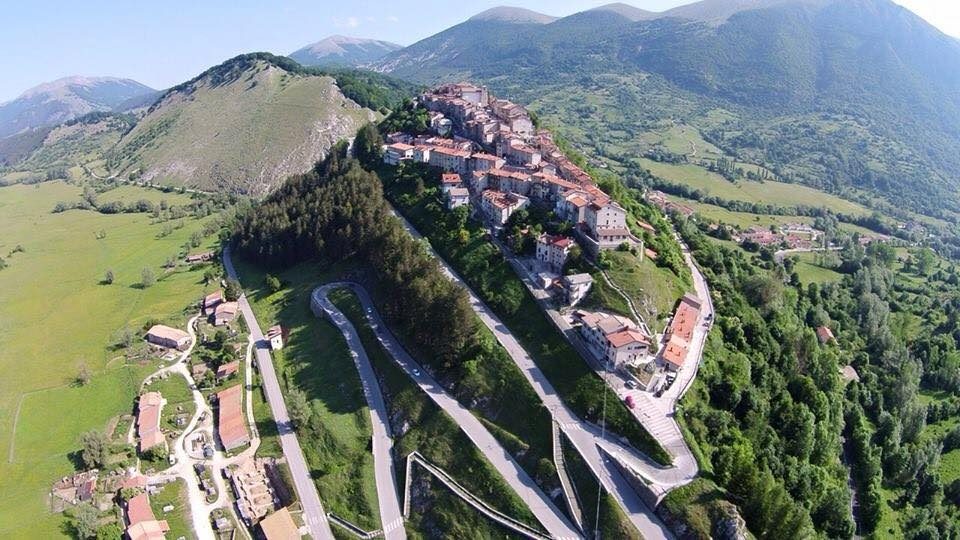
The village of Pescasseroli, heart of the Abruzzo, Lazio and Molise National Park

The village of Pietracamela, on the north-eastern side of the Gran Sasso, at the foot of Corno Piccolo — a magical and unexpected place

Prati di Tivo, a winter ski resort offering breathtaking views to all who visit

San Domenico and the Serpari ritual, held every first Thursday of May

The 2012 snowfall in Scoppito reached nearly two metres in height

The village of Opi, a splendid settlement in the Abruzzo, Lazio and Molise National Park






Punta Aderci, with the Abruzzese trabocchi stretching from Vasto through Fossacesia to San Vito Chietino


Lake Campotosto, nestled between the Gran Sasso and Monti della Laga ranges, within the national park of the same name

The Capodacqua reservoir, with submerged mills and crystal-clear waters, a paradise for divers

The swimming lake of Scanno, named after the village overlooking it — a place worth visiting

Lake Sinizzo, just a few kilometres from San Demetrio, is the ideal place for nature lovers seeking fresh, clear waters

Lake San Domenico, named after the nearby hermitage; its crystal-clear waters make it unique. Swimming not allowed

The Fountain of the 99 Spouts, a symbol of the city of L'Aquila

The Basilica of Santa Maria di Collemaggio, resting place of Pope Celestine V

The Sanctuary of Madonna d'Appari, set among the rocks along the road between Paganica and Assergi

The Church of San Panfilo, in the municipality of Tornimparte, with its frescoes — a place worth visiting

The Stiffe Caves, inside the Velino-Sirente Regional Park — a magical place to explore
The most popular ski resorts, the updated snow report and useful information on how to find lifts or book accommodation for your winter holiday
Vai
View the webcams in Abruzzo and check real‑time weather conditions. Some webcams belong to www.abruzzoparchi.it, others are located throughout the region
Vai
Weather forecasts for the coming days in Abruzzo. Live weather via our webcams and temperatures recorded in several mountain areas
Vai
Maps for trekking, mountain biking, ski touring, running and horse riding. You can also download the GPX track of each route
Vai
Walks, diving, climbing, mountain biking, horse riding — all outdoor activities available in Abruzzo
Vai
Choose between sea or mountains, summer or winter, a sporty holiday or a relaxing one — Abruzzo has it all
Vai
Abruzzo is famous for its cuisine, both mountain and coastal, with traditions that vary from area to area
Vai
Abruzzo’s villages are famous for their fortresses, mountains and the traditional trabocchi along the southern coast
Vai
One of Italy’s most famous and oldest national parks
Vai
One of Italy’s wildest parks, with typical Apennine landscapes and Dolomite‑like peaks
Vai
Located in the heart of the Apennines, home to the beautiful villages of the Rocche Plateau
Vai
One of the snowiest places in Italy, a unique mountain massif rising close to the sea
Vai